
Random Country Generator 🌎
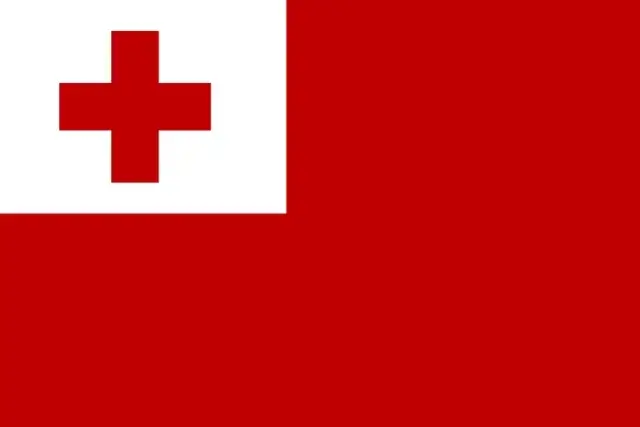
Tonga
🏙️ Capital city:
Nuku'alofa
📈 Country population:
105,000
🗺️ Country area:
747 km²
Core Facts / Infobox
Present this as a clean two-column table containing accurate and verified national facts. Include only fields with real data.
| Official Name | Kingdom of Tonga |
| Common Name | Tonga |
| ISO Codes | TO, TON, 776 |
| Internet TLD | .to |
| Calling Code | +676 |
| Capital City | Nuku’alofa |
| Largest City | Nuku’alofa |
| Coordinates | 21.1° S, 175.2° W |
| Time Zone | UTC+13 (UTC+14 in summer) |
| Population (2025 est.) | ~105,000 |
| Area | 747 km² |
| Population Density | ~140 per km² |
| Languages | Tongan, English |
| Currency | Paʻanga (TOP) |
| Driving Side | Left |
| GDP (Nominal) | ~USD 550+ million |
| GDP Per Capita | ~USD 5,000+ |
| HDI | 0.725 (High) |
| Literacy Rate | ~99% |
| Life Expectancy | ~72 years |
| Continent & Subregion | Oceania — Polynesia |
| National Day | 4 June (Emancipation Day) |
| National Sport | Rugby Union |
| National Dish | ʻOta ʻika |
| National Anthem | Ko e fasi ʻo e tūʻi ʻo Tonga |
Geography & Environment
- Tonga is a Polynesian kingdom made up of around 170 islands, located in the South Pacific between Fiji and Samoa.
- The islands include coral atolls, volcanic islands, limestone cliffs, and fertile lowlands.
- Notable geographic groups: Tongatapu, Vavaʻu, Haʻapai, Niuas.
- Climate: tropical; warm and humid with a rainy season from November–April.
- Best time to visit: May–October.
- Natural landmarks: Hunga Tonga–Hunga Haʻapai volcano, Mapuʻa ʻa Vaea blowholes, ʻEua rainforest.
- Marine life: humpback whales (July–October), dolphins, turtles, reef fish.
- Environmental challenges: volcanic activity, rising sea levels, cyclones, coral bleaching.
Demographics
- Total population: ~105,000.
- Median age: ~22 years.
- Urban population: ~23%, mainly in Nukuʻalofa.
- Ethnic groups: predominantly Tongan (Polynesian), with small European and Asian communities.
- Religions: Christianity (Free Wesleyan, Mormon, Catholic, Methodist).
- Literacy rate: ~99%.
- Major settlements: Nukuʻalofa, Neiafu, Pangai, ʻOhonua.
History
- Tonga has been inhabited for over 3,000 years as part of the ancient Lapita culture.
- It developed into the powerful Tuʻi Tonga Empire, influencing much of Polynesia.
- Became a constitutional monarchy in 1875 under King George Tupou I.
- Tonga was never formally colonized, making it unique among Pacific nations.
- It became a British protected state but retained its monarchy and independence.
- Full sovereignty recognized on 4 June 1970.
- Modern history includes political reforms and strengthening democratic institutions.
Government & Politics
- Government type: Constitutional monarchy.
- Executive: King of Tonga and Prime Minister.
- Legislature: unicameral Legislative Assembly (Fale Alea).
- Judiciary: Supreme Court, Court of Appeal, Magistrates’ Courts.
- Administrative divisions: 5 island divisions.
- Political issues: climate change adaptation, education reforms, economy diversification.
Economy
- A developing island economy reliant on remittances, agriculture, fishing, and tourism.
- Major industries: agriculture, fisheries, tourism, handicrafts.
- Main exports: squash, vanilla, fish, root crops, handicrafts.
- Main imports: food, fuel, machinery, manufactured goods.
- Strengths: strong diaspora remittances, fertile land, whale-watching tourism.
- Weaknesses: isolation, vulnerability to disasters, reliance on imports.
- GDP sectors: Services (~60%), Agriculture (~20%), Industry (~20%).
Culture & Society
- Tongan culture (anga faka-Tonga) values respect, family, and community.
- Traditional arts: wood carving, tapa cloth (ngatu), weaving, tattooing.
- Dance styles include lakalaka (UNESCO-recognized), tauʻolunga, and kailao.
- Festivals: Heilala Festival, Constitution Day, church feasts.
- Traditional dress: taʻovala (woven mat garment).
- Languages: Tongan and English.
Food & Cuisine
- National dish: ʻOta ʻika — raw fish marinated in citrus and coconut cream.
- Traditional dishes: lu pulu (taro leaves with coconut milk and meat), taro, yam, breadfruit.
- Street foods: fried fish, coconut buns, barbecue plates.
- Beverages: coconut water, kava, fruit juices.
- Cuisine emphasizes root crops, fresh seafood, and coconut.
Education & Institutions
- Medium of instruction: Tongan and English.
- Literacy rate: ~99%.
- Top institutions: University of the South Pacific (Tonga Campus), Tonga Institute of Science and Technology.
- Key fields: agriculture, education, marine studies, business.
Tourism
- Top destinations: Haʻapai beaches, Vavaʻu islands, ʻEua rainforest, Mapuʻa ʻa Vaea blowholes, Hunga volcano site.
- Natural attractions: coral reefs, limestone caves, volcanic islands.
- Adventure tourism: whale swimming (unique), diving, sailing, hiking.
- Cultural sites: royal palace, ancient tombs, traditional villages.
- Visa: visa-free or visa-on-arrival for many countries.
- Transportation: domestic flights, ferries, taxis, buses.
Practical Information
- Safety: very safe; close-knit communities.
- Healthcare: adequate in Nukuʻalofa; limited on outer islands.
- Emergency numbers: Police 922, Ambulance 933, Fire 999.
- Plug type: I; Voltage: 240V.
- Internet: improving; good in main islands.
- Best time to visit: May–October.
- Budget: moderate; guesthouses and beach resorts available.
Sports, Entertainment & Notable People
- National sport: rugby union — Tonga is internationally known for rugby talent.
- Famous athletes: Jonah Lomu (Tongan heritage), Malakai Fekitoa, Pita Taufatofua (Olympian).
- Cultural entertainment: traditional dances, drumming, storytelling.
- Notable figures: King Tāufaʻāhau Tupou IV, Queen Sālote Tupou III (internationally loved monarch).
Neighboring Countries of Tonga
Tonga does not share any land borders. Its maritime neighbours include Fiji, Samoa, American Samoa, Niue, Cook Islands, and Wallis and Futuna.
Famous For
- Humpback whale swimming.
- Polynesian monarchy and royal traditions.
- Volcanic landscapes and coral islands.
- World-renowned rugby players.
- Strong cultural preservation.
- Historic Tuʻi Tonga Empire.
Sources
- World Bank
- United Nations (UN Data)
- IMF
- CIA World Factbook
- Tonga Statistics Department
- Government of Tonga Publications