Random Country Generator 🌎
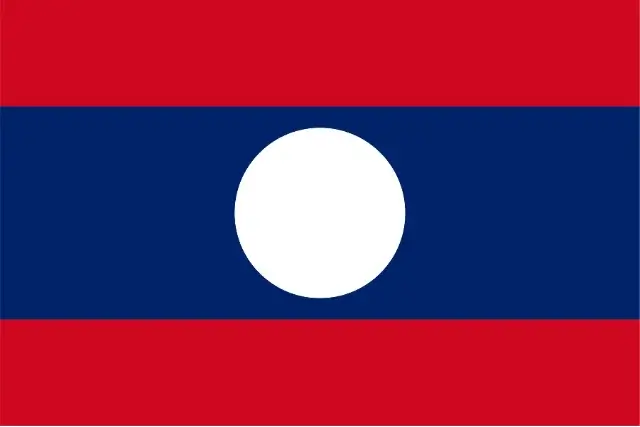
Laos
🏙️ Capital city:
Vientiane
📈 Country population:
7.7 million
🗺️ Country area:
236,800 km²
Core Facts / Infobox
Present this as a clean two-column table containing accurate and verified national facts. Include only fields with real data.
| Official Name | Lao People’s Democratic Republic |
| Common Name | Laos |
| ISO Codes | LA, LAO, 418 |
| Internet TLD | .la |
| Calling Code | +856 |
| Capital City | Vientiane |
| Largest City | Vientiane |
| Coordinates | 18.0° N, 105.0° E |
| Time Zone | UTC+7 |
| Population (2025 est.) | ~7.7 million |
| Area | 236,800 km² |
| Population Density | ~33 per km² |
| Languages | Lao (official) |
| Currency | Lao Kip (LAK) |
| Driving Side | Right |
| GDP (Nominal) | ~USD 15+ billion |
| GDP (PPP) | ~USD 70+ billion |
| GDP Per Capita | ~USD 2,000+ |
| GDP Growth | ~3–4% |
| HDI | 0.607 (Medium) |
| Literacy Rate | ~86% |
| Life Expectancy | ~69 years |
| Unemployment | ~2–3% |
| Inflation | ~20%+ (recent volatility) |
| Leaders | President & Prime Minister (names omitted for longevity) |
| Continent & Subregion | Asia — Southeast Asia |
| National Day | 2 December |
| National Sport | Muay Lao (kickboxing) |
| National Dish | Larb (Laap) |
| National Anthem | Pheng Xat Lao |
Geography & Environment
- Laos is a landlocked country in Southeast Asia, bordered by China, Vietnam, Cambodia, Thailand, and Myanmar.
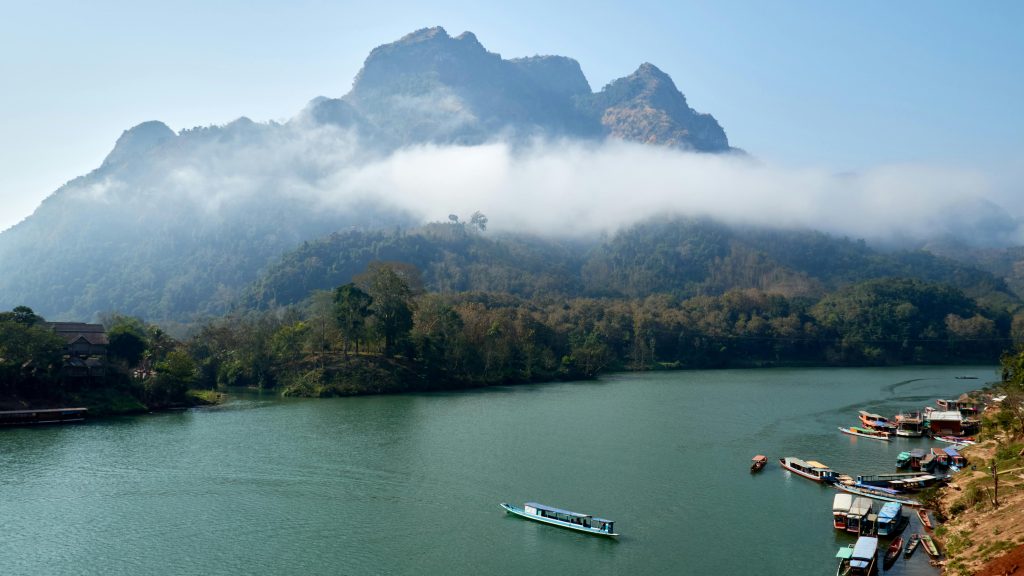
- Geography dominated by mountains, forests, the Annamite Range, and the Mekong River.
- Important rivers: Mekong River (lifeline), Nam Ou, Nam Ngum.
- Climate: tropical monsoon with wet (May–October) and dry (November–April) seasons.
- Best time to visit: November to February.
- National parks: Nam Et–Phou Louey, Bolaven Plateau, Nakai-Nam Theun, Si Phan Don wetlands.
- Wildlife: elephants, gibbons, sun bears, clouded leopards, rare bird species.
- Environmental challenges: deforestation, hydropower expansion, unexploded ordnance (UXO) from past wars.
- Unique features: Luang Prabang’s UNESCO heritage, 4,000 Islands (Si Phan Don), karst landscapes.
Demographics
- Total population: ~7.7 million.
- Median age: ~24 years.
- Urban vs rural: ~35% urban, ~65% rural.
- Ethnic groups: Lao Loum (majority), Lao Theung, Lao Soung (Hmong), Khmu, and others.
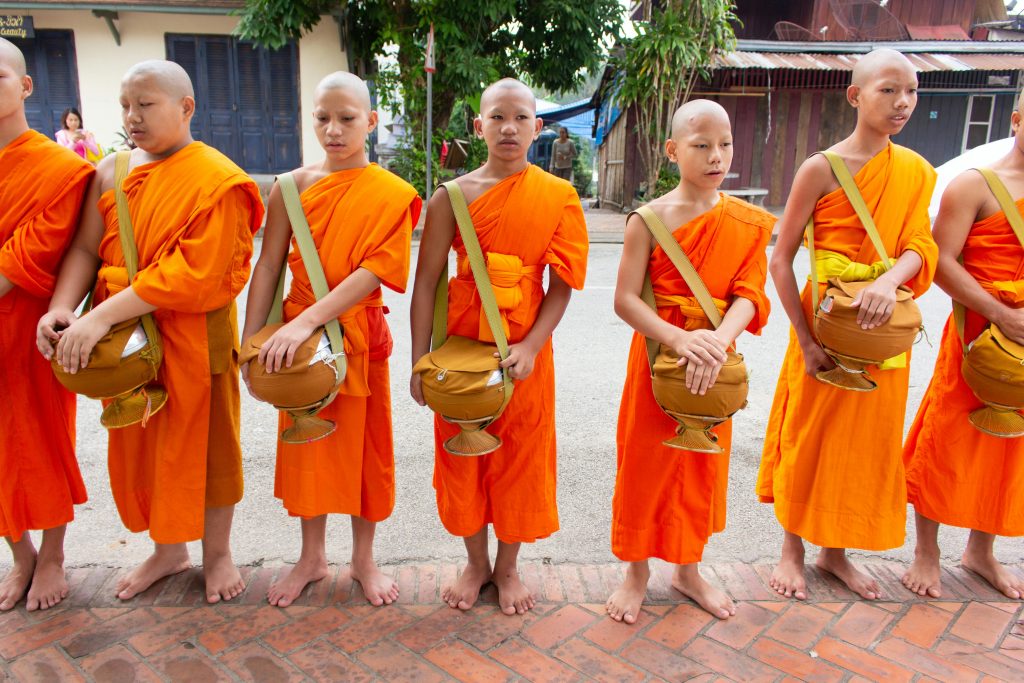
- Religions: Buddhism (majority), animism, Christianity.
- Literacy rate: ~86%.
- Major cities: Vientiane, Luang Prabang, Savannakhet, Pakse, Luang Namtha.
History
- Early history linked to Mon-Khmer kingdoms and Tai migrations.
- Lan Xang Kingdom (14th–18th century) formed the foundation of Lao culture.
- Became part of French Indochina in the 19th century.
- Independence declared on 2 December 1975 after internal conflict and regional wars.
- Modern history focuses on socialist governance and economic reforms toward regional integration.
Government & Politics
- Government type: Unitary Marxist–Leninist one-party socialist republic.
- Executive: President and Prime Minister.
- Legislature: unicameral National Assembly.
- Judiciary: Supreme Court and lower courts.
- Administrative divisions: 17 provinces and 1 capital prefecture.
- Political focus: infrastructure, hydropower development, regional connectivity.
Economy
- Laos has a developing, fast-growing but resource-dependent economy.
- Major industries: hydropower, mining (copper, gold), agriculture, tourism, manufacturing.
- Main exports: electricity, minerals, wood products, garments, agricultural goods.
- Main imports: fuel, machinery, consumer goods, vehicles.
- Strengths: abundant water resources, tourism potential, strategic location.
- Weaknesses: landlocked, infrastructure gaps, high public debt.
- GDP sectors: Services (~42%), Industry (~34%), Agriculture (~22%).
- Hydropower dams make Laos a major regional electricity exporter.
Culture & Society
- Lao culture is deeply influenced by Theravada Buddhism and rural traditions.
- Values emphasize harmony, family, community, and respect for nature.
- Major festivals: Pi Mai (Lao New Year), Boun Ok Phansa, That Luang Festival.
- Traditional dress: the Sinh (women’s skirt) and Salong (men’s garment).
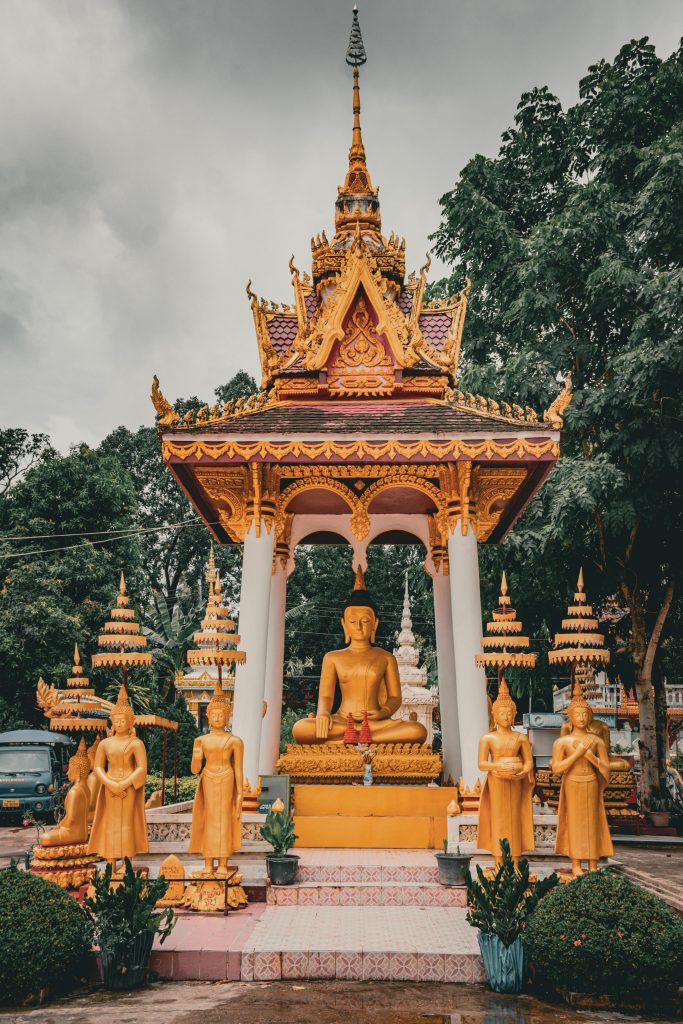
- Arts: lam vong dance, textile weaving, wood carving, Buddhist temple art.
- Languages: Lao (official), many ethnic minority languages.
Food & Cuisine
- National dish: Larb (Laap) — minced meat salad with herbs and spices.
- Iconic dishes: Khao Niew (sticky rice), Tam Mak Hoong (papaya salad), Or Lam (stew).
- Street foods: grilled meats, noodle soups, fried riverweed.
- Desserts: coconut jelly, sticky rice with mango.
- Beverages: Lao coffee, rice wine (Lao-Lao), herbal teas.
- Cuisine is herbal, spicy, and centered around sticky rice.
Education & Institutions
- Education improving but faces resource challenges.
- Medium of instruction: Lao.
- Literacy rate: ~86%.
- Top institutions: National University of Laos, Souphanouvong University.
- Key fields: agriculture, engineering, education, economics.
Tourism
- Top attractions: Luang Prabang, Kuang Si Falls, Vang Vieng, Pak Ou Caves, Plain of Jars.
- UNESCO sites: Luang Prabang, Vat Phou, Plain of Jars.
- Natural attractions: karst mountains, Mekong River cruises, jungle trekking.
- Historical landmarks: temples, French colonial architecture, ancient ruins.
- Adventure tourism: kayaking, caving, tubing, hiking.
- Visa: visa-on-arrival and e-visa available.
- Transportation: buses, tuk-tuks, riverboats, new high-speed rail (China–Laos Railway).
Practical Information
- Safety: generally safe; rural areas require caution.
- Healthcare: limited outside major cities.
- Emergency numbers: Police 191, Ambulance 195, Fire 190.
- Plug type: C, E, F; Voltage: 230V.
- Internet: improving but variable in rural areas.
- Best time to visit: November–February.
- Budget: very affordable for travelers.
Sports, Entertainment & Notable People
- National sport: Muay Lao.
- Popular sports: football, taekwondo, athletics, petanque.
- Cultural figures include musicians, artists, and traditional storytellers.
- Performing arts feature traditional dances and ceremonial music.
Neighboring Countries of Laos
Laos shares land borders with the following countries:
Famous For
- Luang Prabang’s UNESCO heritage.
- Kuang Si Waterfalls.
- Mekong River landscapes.
- Relaxed, peaceful culture.
- Karst mountains and adventure tourism.
- Sticky rice cuisine.
- 4,000 Islands (Si Phan Don).
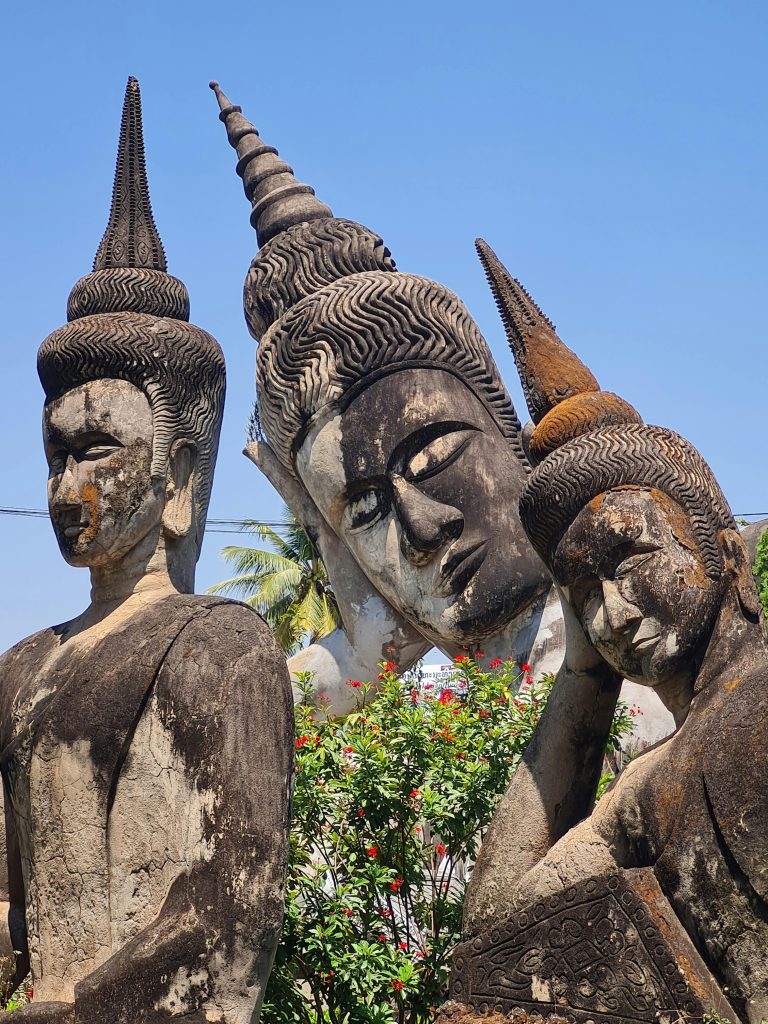
- Temples and Buddhist traditions.
Sources
- World Bank
- United Nations (UN Data)
- IMF
- CIA World Factbook
- Lao Statistics Bureau
- Official Government Publications