Random Country Generator 🌎

Japan
🏙️ Capital city:
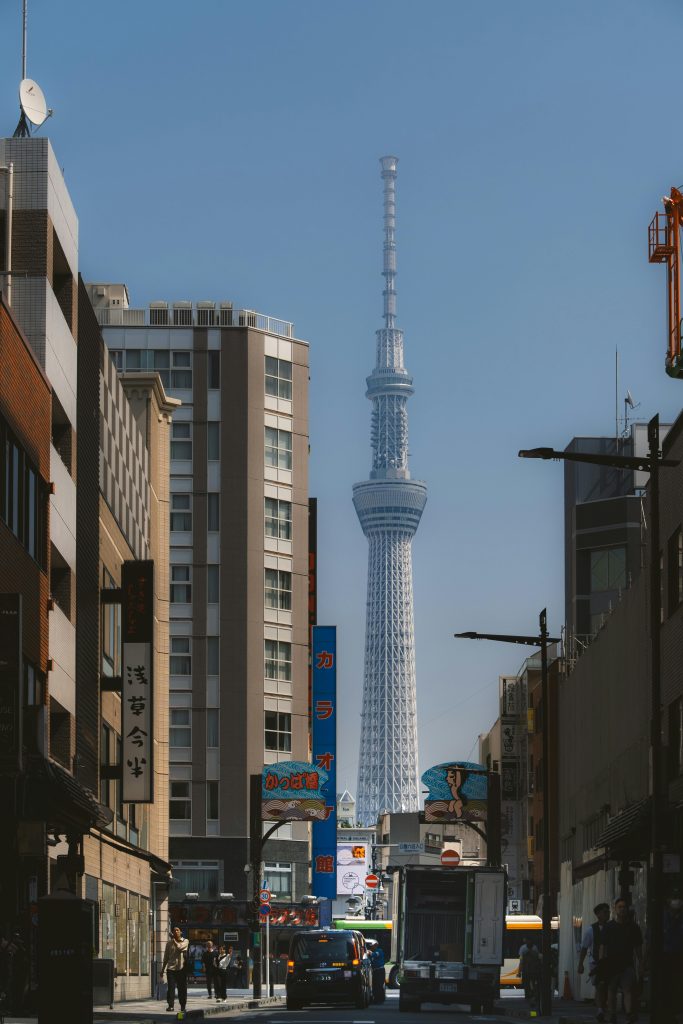
Tokyo
📈 Country population:
123 million, ranks 11th.
🗺️ Country area:
377,957 km²
Core Facts / Infobox
Present this as a clean two-column table containing accurate and verified national facts. Include only fields with real data.
| Official Name | State of Japan |
| Common Name | Japan |
| ISO Codes | JP, JPN, 392 |
| Internet TLD | .jp |
| Calling Code | +81 |
| Capital City | Tokyo |
| Largest City | Tokyo (Greater Tokyo is the world’s largest metro area) |
| Coordinates | 36° N, 138° E |
| Time Zone | UTC+9 (Japan Standard Time) |
| Population (2025 est.) | ~123 million |
| Area | 377,975 km² |
| Population Density | ~330 per km² |
| Languages | Japanese (official) |
| Currency | Japanese Yen (JPY) |
| Driving Side | Left |
| GDP (Nominal) | ~USD 4.4 trillion |
| GDP (PPP) | ~USD 6.3 trillion |
| GDP Per Capita | ~USD 35,000 |
| GDP Growth | ~1% |
| HDI | 0.925 (Very High) |
| Literacy Rate | ~99% |
| Life Expectancy | ~84 years |
| Unemployment | ~2.6% |
| Inflation | ~2–3% |
| Leaders | Prime Minister & Emperor (names not listed due to changes over time) |
| Continent & Subregion | Asia — East Asia |
| National Day | 11 February (National Foundation Day) |
| National Sport | Sumo Wrestling |
| National Dish | Sushi |
| National Anthem | Kimigayo |
Geography & Environment
- Japan is an island nation in East Asia, located in the Pacific Ocean east of China and Korea.
- It consists of four major islands — Honshu, Hokkaido, Kyushu, Shikoku — and thousands of smaller islands.
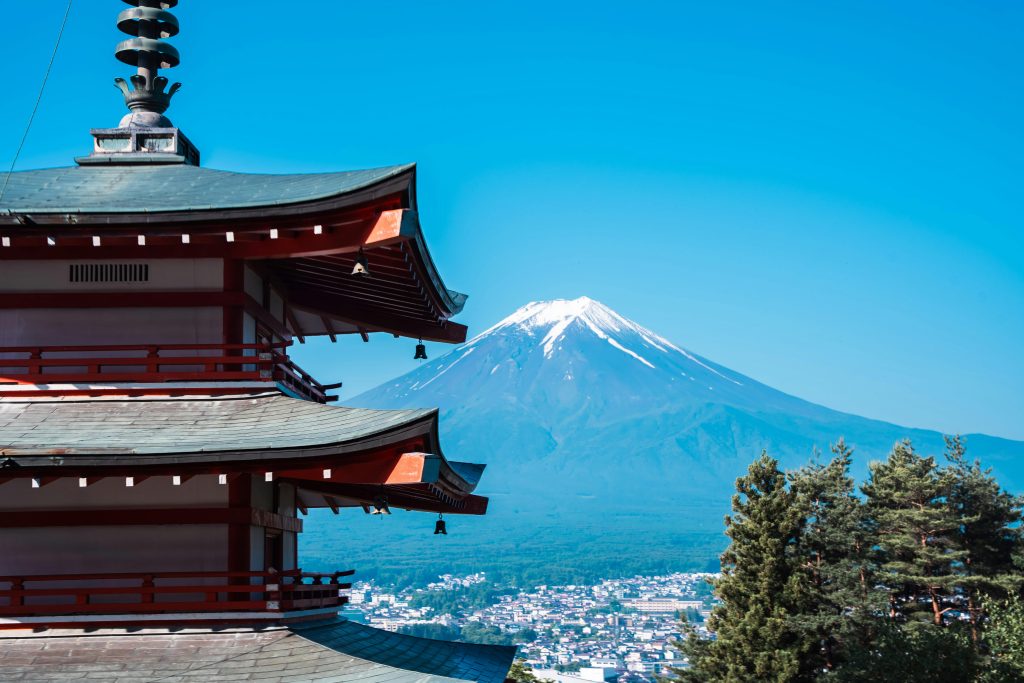
- Major geographical features include volcanic mountains (such as Mount Fuji), coastal plains, forests, and deep valleys.
- The country sits on the Pacific “Ring of Fire,” making earthquakes and volcanic eruptions common.
- Climate ranges from cool temperate in the north to subtropical in the south.
- Best time to visit: March–May (cherry blossom season) and September–November (autumn foliage).
- Major national parks: Fuji-Hakone-Izu, Nikko, Daisetsuzan, Yakushima, and Shiretoko.
- Wildlife includes bears, macaques, cranes, deer, and unique island species.
- Environmental challenges: typhoons, earthquakes, tsunamis, aging population impact on land use, and pollution management.
- Famous natural landmarks include Mount Fuji, Arashiyama Bamboo Grove, and Okinawa coral reefs.
Demographics
- Total population: ~123 million.
- Median age: ~49 years (one of the highest globally).
- Urban vs rural: ~92% urban.
- Main ethnic group: Japanese (over 97%).
- Minorities include Ainu, Ryukyuan, Korean, Chinese, and other migrant communities.
- Main religions: Shinto and Buddhism.
- Literacy rate: ~99%.
- Major cities: Tokyo, Yokohama, Osaka, Nagoya, Sapporo, Fukuoka, Kobe, Kyoto.
History
- Japan’s early history includes Jomon and Yayoi cultures followed by imperial dynasties.
- Feudal Japan was ruled by samurai and shoguns for centuries.
- The Meiji Restoration (1868) modernized Japan rapidly and transformed it into a world power.
- Japan fought in World War II and surrendered in 1945 after significant destruction.
- The post-war era saw rapid economic growth, technological advancement, and democratic evolution.
- Today, Japan is a stable democracy and a global leader in technology, culture, and innovation.
Government & Politics
- Government type: Constitutional monarchy with a parliamentary government.
- Emperor serves as a ceremonial head of state.
- Executive power is held by the Prime Minister and Cabinet.
- Legislature: National Diet consisting of the House of Representatives and the House of Councillors.
- Judiciary: Supreme Court and lower courts with strong independence.
- Administrative divisions: 47 prefectures.
- Japan is a key member of the G7, G20, UN, and regional organizations.
- Military: Japan Self-Defense Forces (defensive mandate).
Economy
- Japan has the world’s third-largest nominal GDP.
- Major industries: automobiles, electronics, robotics, steel, chemicals, finance, and advanced technology.
- Main exports: cars, electronics, machinery, robotics, optical instruments.
- Main imports: oil, gas, raw materials, machinery, food products.
- Strengths: technological innovation, skilled workforce, global brands.
- Weaknesses: aging population, high public debt, reliance on energy imports.
- Economic sectors: Services (~70%), Industry (~29%), Agriculture (~1%).
- Japan leads in robotics, high-speed rail, and advanced manufacturing.
Culture & Society
- Japanese culture emphasizes respect, harmony, discipline, and community values.
- Key festivals include Hanami (cherry blossoms), Obon, Tanabata, New Year celebrations, and various regional matsuri.
- Traditional dress: Kimono, Yukata, Hakama.
- Arts: tea ceremony, calligraphy, ikebana (flower arranging), kabuki theatre, anime, manga.
- Traditional architecture includes shrines, temples, and wooden houses.
- Language: Japanese with regional dialects.
Food & Cuisine
- National dish: Sushi.
- Iconic dishes: Ramen, Tempura, Sashimi, Okonomiyaki, Tonkatsu, Udon, Soba.
- Street foods: Takoyaki, Taiyaki, Yakitori.
- Beverages: Green tea, Sake, Matcha drinks.
- Cuisine is known for minimalism, freshness, and seasonal ingredients.
Education & Institutions
- Japan has a highly developed education system with strong performance in STEM fields.
- Medium of instruction: Japanese; English taught from early grades.
- Literacy rate: ~99%.
- Top universities: University of Tokyo, Kyoto University, Osaka University, Tohoku University.
- Key strengths: engineering, robotics, medicine, technology, physics.
Tourism
- Top destinations: Tokyo, Kyoto, Osaka, Hiroshima, Sapporo, Okinawa.
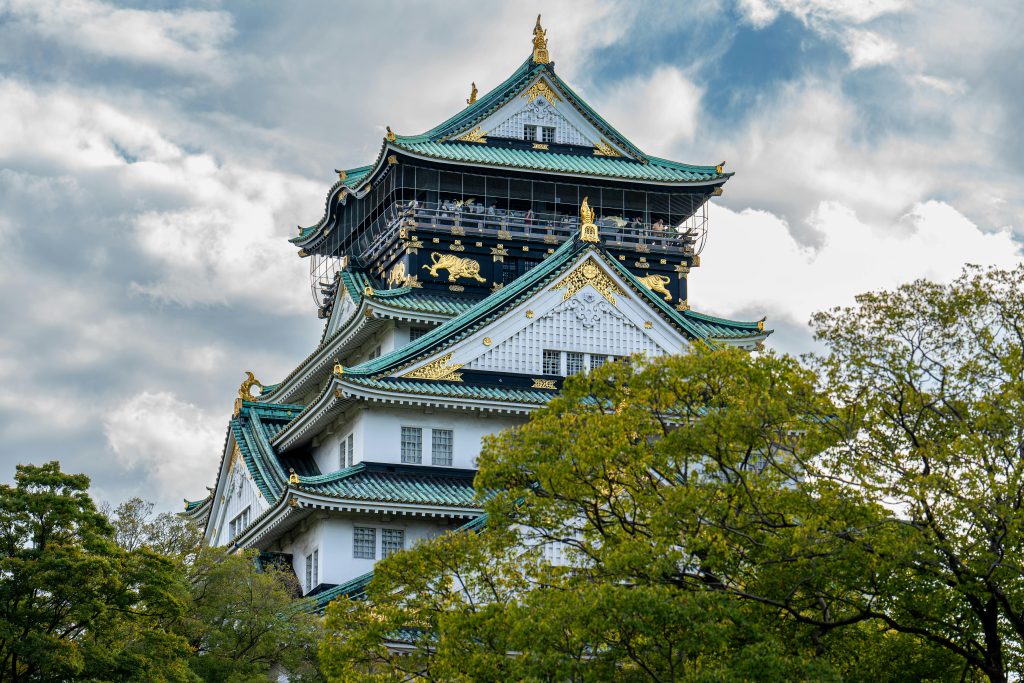
- UNESCO World Heritage Sites: Mount Fuji, Himeji Castle, Nara temples, Itsukushima Shrine.
- Natural attractions: hot springs, mountains, bamboo forests, cherry blossoms.
- Historical landmarks: Kyoto temples, Edo castles, Shinto shrines.
- Adventure tourism: skiing in Hokkaido, hiking, cycling, diving in Okinawa.
- Visa: many countries enjoy visa-free entry for short stays.
- Transport: world-class trains (Shinkansen), buses, metros, ferries.
Practical Information
- Safety: extremely safe with low crime.
- Healthcare: advanced, modern, and widely accessible.
- Emergency numbers: Police 110, Ambulance/Fire 119.
- Plug type: A & B; Voltage: 100V.
- Internet: fast and reliable nationwide.
- Best time to visit: spring and autumn.
- Budget: moderate to expensive depending on city and season.
Sports, Entertainment & Notable People
- National sport: Sumo; other popular sports include baseball, football, karate, and judo.
- Major achievements: Olympic medals in judo, gymnastics, wrestling, and skating.
- Famous athletes: Shohei Ohtani, Naomi Osaka, Yuzuru Hanyu.
- Notable cultural figures: Hayao Miyazaki, Akira Kurosawa, Haruki Murakami.
- Global icons: anime creators, game developers, artists, actors.
- Nobel Prize winners in physics, chemistry, and medicine.
Neighboring Countries of Japan
Japan has no land borders as it is an island nation; however, it shares maritime boundaries with several countries. These include China, North Korea, South Korea, Russia, and Taiwan.
Famous For
- Sushi and world-famous cuisine.
- Cherry blossoms and traditional culture.
- Anime, manga, and pop culture.
- Advanced technology and robotics.
- Mount Fuji and scenic landscapes.
- Samurai history and shrines.
- Bullet trains and modern cities.
Sources
- World Bank
- United Nations (UN Data)
- IMF
- CIA World Factbook
- Japan Statistics Bureau
- Official Government Portals