Random Country Generator 🌎
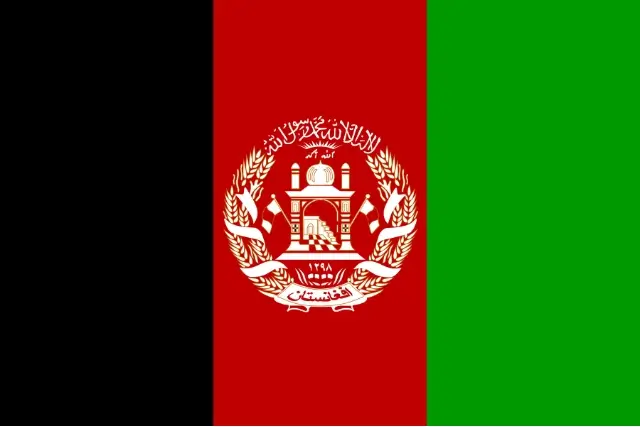
Afghanistan
🏙️ Capital city:
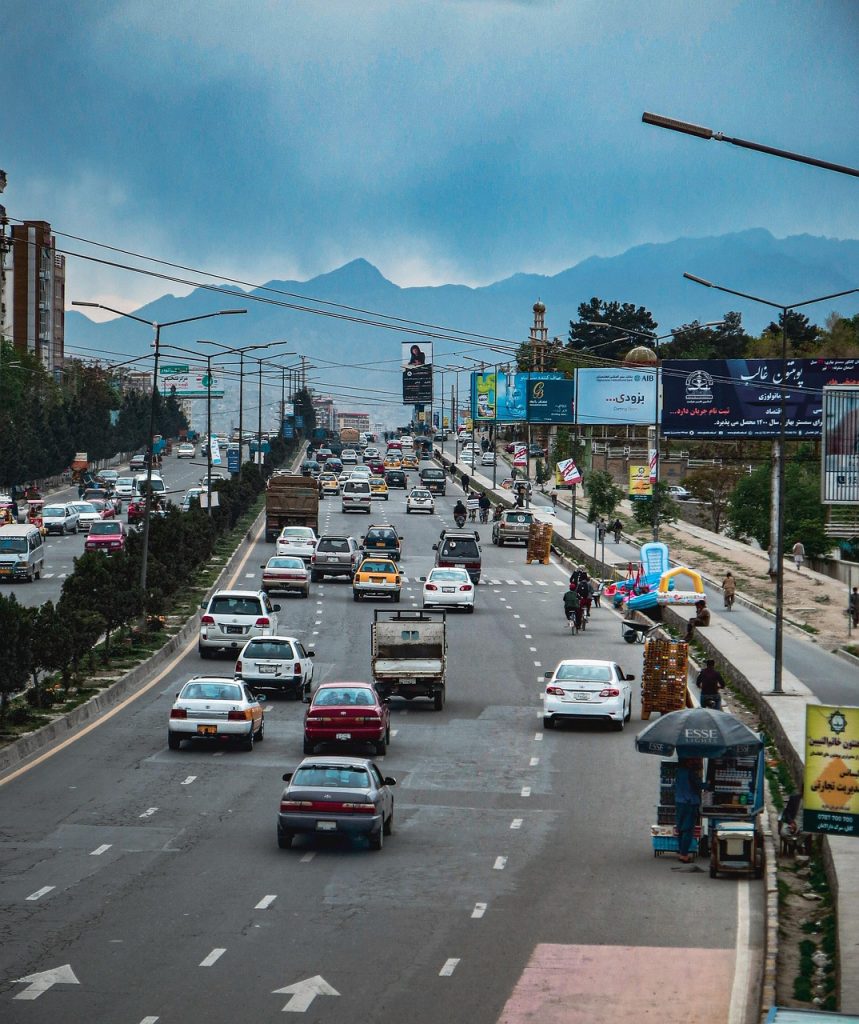
Kabul
📈 Country population:
42 million
🗺️ Country area:
652,230 km²
Core Facts / Infobox
Present this as a clean two-column table containing accurate and verified national facts. Include only fields with real data.
| Official Name | Islamic Emirate of Afghanistan* |
| Common Name | Afghanistan |
| ISO Codes | AF, AFG, 004 |
| Internet TLD | .af |
| Calling Code | +93 |
| Capital City | Kabul |
| Largest City | Kabul |
| Coordinates | 34° N, 69° E |
| Time Zone | UTC+4:30 |
| Population (2025 est.) | ~42 million |
| Area | 652,230 km² |
| Population Density | ~64 per km² |
| Languages | Pashto and Dari (official); many regional languages |
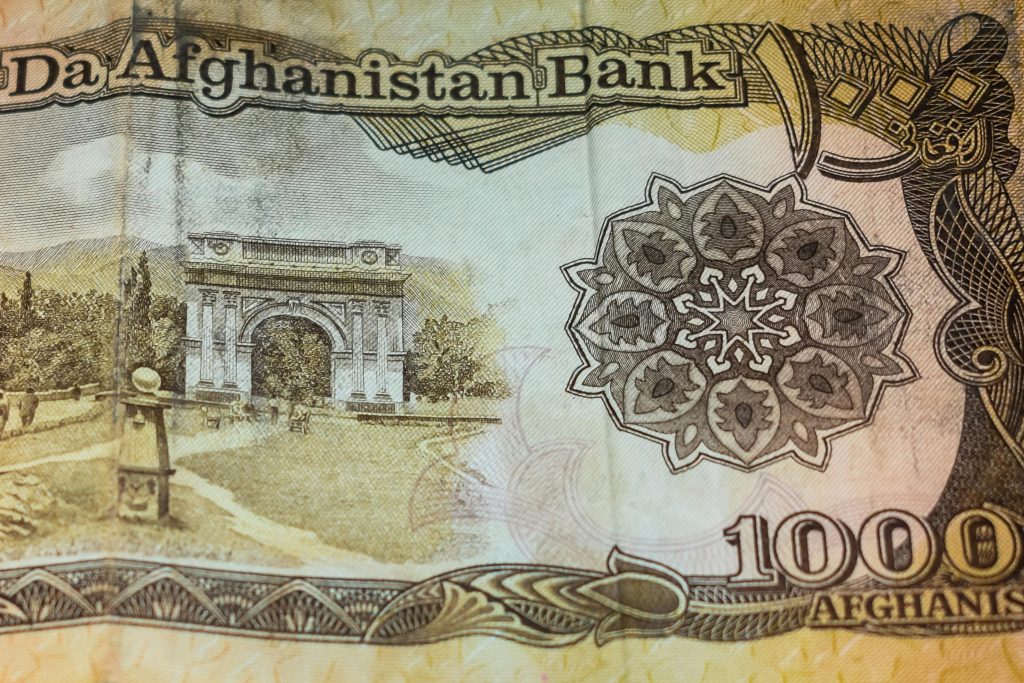
| Currency | Afghan Afghani (AFN) |
| Driving Side | Right |
| GDP (Nominal) | ~USD 20 billion |
| GDP (PPP) | ~USD 85–90 billion |
| GDP Per Capita | ~USD 500+ |
| GDP Growth | Variable, affected by political conditions |
| HDI | 0.496 (Low) |
| Literacy Rate | ~38–40% |
| Life Expectancy | ~63 years |
| Unemployment | ~13%+ |
| Inflation | ~5–7% |
| Leaders | De facto leadership (names omitted for longevity) |
| Continent & Subregion | Asia — South-Central Asia |
| National Day | 19 August (Independence Day) |
| National Sport | Buzkashi |
| National Dish | Qabuli Palaw |
| National Anthem | Not officially used internationally* |
Geography & Environment
- Afghanistan is a landlocked country bordered by Pakistan, Iran, Turkmenistan, Uzbekistan, Tajikistan, and China.
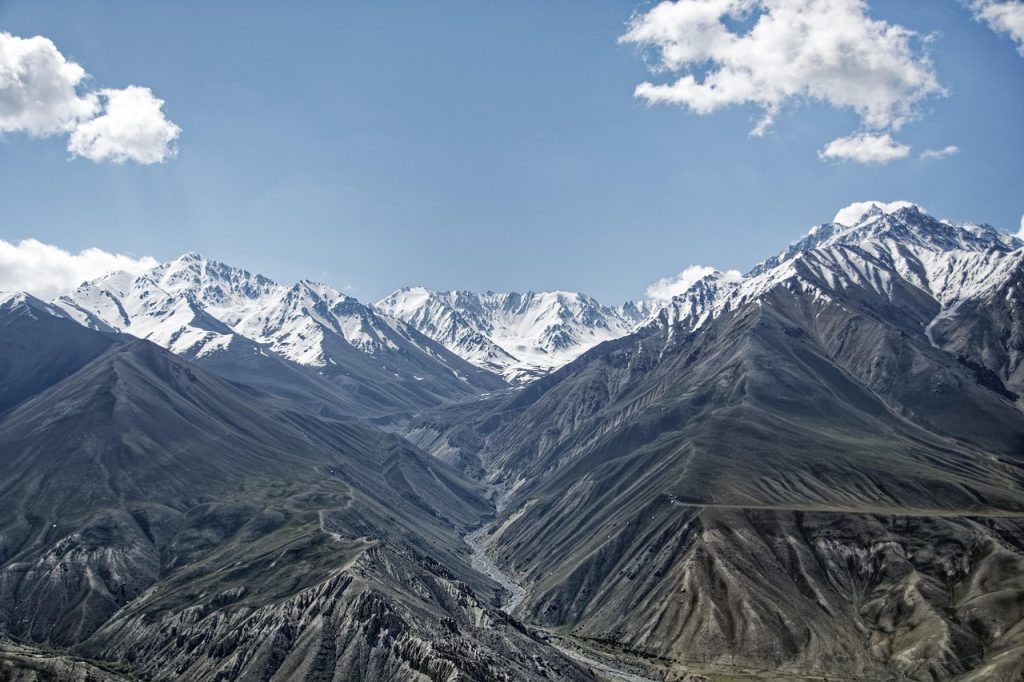
- It features rugged mountains (Hindu Kush), fertile valleys, deserts, and highlands.
- Major rivers: Kabul River, Helmand River, Amu Darya.
- Climate: arid to semi-arid; hot summers and cold, snowy winters in mountains.
- Best time to visit: April–June and September–October.
- National parks: Band-e Amir National Park, Wakhan National Park.
- Wildlife includes snow leopards, Marco Polo sheep, wolves, bears, and rare bird species.
- Environmental challenges: drought, deforestation, desertification, water shortages.
- Unique features: Blue lakes of Band-e Amir, Wakhan Corridor, and high mountain passes.
Demographics
- Total population: ~42 million.
- Median age: ~19 years (very young population).
- Urban vs rural: ~75% rural, ~25% urban.
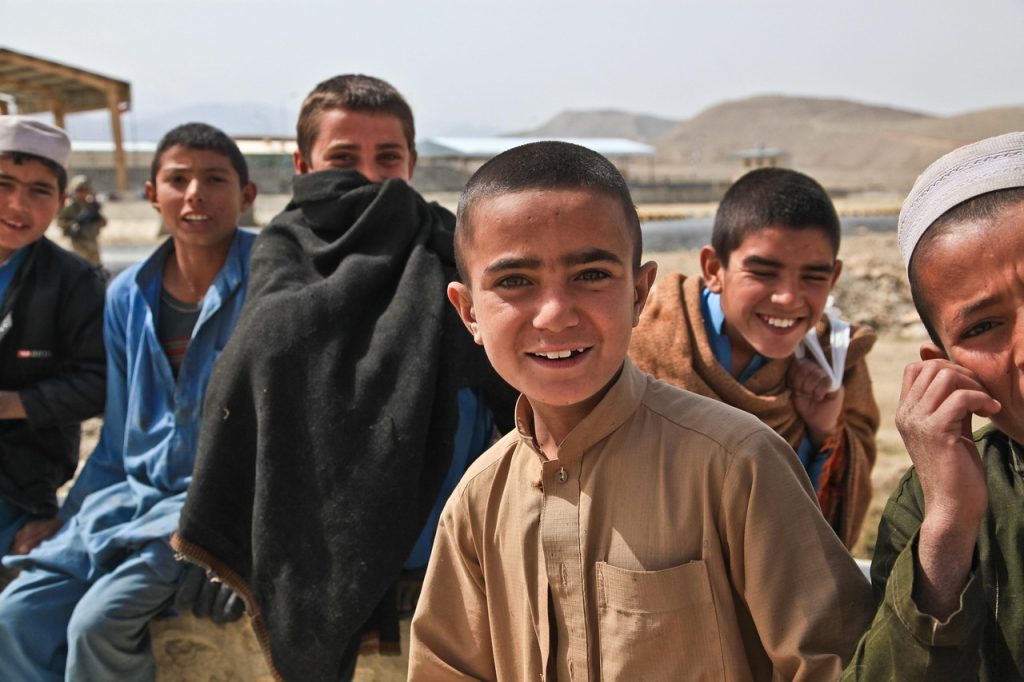
- Ethnic groups: Pashtun, Tajik, Hazara, Uzbek, Turkmen, Nuristani, Baloch.
- Religions: Islam (majority).
- Literacy rate: ~38–40%.
- Major cities: Kabul, Kandahar, Herat, Mazar-i-Sharif, Jalalabad.
History
- Afghanistan has a long history as a crossroads of Central and South Asia.
- Ancient civilizations: Indus Valley interactions, Achaemenid Empire, Greek influence under Alexander.
- Buddhist era included major sites like Bamiyan.
- Islam arrived in the 7th–8th centuries.
- Empires: Ghaznavid, Ghorid, Timurid, Mughal, and Durrani Empire (foundation of modern Afghanistan).
- Afghanistan gained independence from British influence on 19 August 1919.
- Late 20th century saw Soviet invasion, civil war, Taliban rule, and international intervention.
- Recent decades marked by political shifts and reconstruction challenges.
Government & Politics
- Government type: Islamic emirate (de facto).
- Administrative divisions: 34 provinces.
- Political affairs influenced by tribal dynamics, religious leadership, and regional factors.
- Key governance concerns: stability, public services, economic recovery.
Economy
- Economy relies on agriculture, mining, trade, and remittances.
- Major industries: agriculture, carpets, gemstones, minerals, dried fruits, textiles.
- Main exports: carpets, fruits, nuts, saffron, minerals.
- Main imports: fuel, machinery, food, textiles, manufactured goods.
- Strengths: mineral resources (lithium, copper), agricultural potential.
- Weaknesses: limited infrastructure, political instability, drought, landlocked geography.
- GDP sectors: Agriculture (~25%), Industry (~22%), Services (~53%).
Culture & Society
- Afghan culture blends Persian, Turkic, Central Asian, and Pashtun influences.
- Family, honor, and hospitality are central values.
- Major festivals: Eid al-Fitr, Eid al-Adha, Nowruz (in some regions).
- Traditional dress: Shalwar Kameez; women’s attire varies by region.
- Arts: poetry, rug weaving, calligraphy, traditional music (Rubab, Dambura).
- Languages: Dari and Pashto dominate communication.
Food & Cuisine
- National dish: Qabuli Palaw (rice with lamb, raisins, carrots).
- Other iconic dishes: Mantu, Aushak, Kabab, Bolani.
- Street foods: Jalebi, Samosa, Afghan bread.
- Beverages: green tea, dogh (yogurt drink).
- Cuisine is rich, aromatic, featuring rice, lamb, yogurt, spices, and dried fruits.
Education & Institutions
- Education system continues to evolve under current conditions.
- Medium of instruction: Dari and Pashto; English widely taught previously.
- Literacy rate: ~38–40%.
- Top universities: Kabul University, Balkh University, Herat University.
- Key fields historically: engineering, medicine, Islamic studies, literature.
Tourism
- Top destinations: Kabul, Herat, Bamiyan, Mazar-i-Sharif, Kandahar.
- UNESCO sites: Minaret of Jam and Bamiyan Valley (partially destroyed statues).
- Natural attractions: Band-e Amir lakes, Pamir Mountains, Wakhan Corridor.
- Historical landmarks: Herat Citadel, Blue Mosque of Mazar, ancient Buddhist sites.
- Adventure tourism: trekking, cultural exploration (limited due to safety).
- Visa: varies by nationality; restrictions may apply.
- Transportation: roads, domestic flights, taxis; varies by region.
Practical Information
- Safety: varies greatly; travelers must exercise extreme caution.
- Healthcare: limited outside major cities.
- Emergency numbers: vary by area.
- Plug type: C & F; Voltage: 220V.
- Internet: available in cities; limited elsewhere.
- Best time to visit: spring and autumn (if travel permitted).
- Budget: affordable but logistical challenges exist.
Sports, Entertainment & Notable People
- National sport: Buzkashi.
- Popular sports: cricket, football, martial arts.
- Famous athletes: Rashid Khan, Mohammad Nabi (cricket).
- Notable cultural figures: Rumi (born in Balkh), Khushal Khan Khattak, Rahman Baba.
- Rich tradition of poetry, music, storytelling, and craftsmanship.
Neighboring Countries of Afghanistan
Afghanistan shares land borders with the following countries:
- 935 km with Iran
- 2,670 km with Pakistan
- 1,206 km with Tajikistan
- 744 km with Turkmenistan
- 144 km with Uzbekistan
- 106 km with China
Famous For
- Bamiyan Valley and ancient Buddhist heritage.
- Rug weaving and handicrafts.
- Qabuli Palaw and Afghan cuisine.
- Hindu Kush mountains.
- Buzkashi sport.
- Historic Silk Road crossroads.
- Band-e Amir blue lakes.
- Rich poetry and cultural history.
Sources
- World Bank
- United Nations (UN Data)
- IMF
- CIA World Factbook
- National Statistics Agencies
- Official Publications