
Random Country Generator 🌎
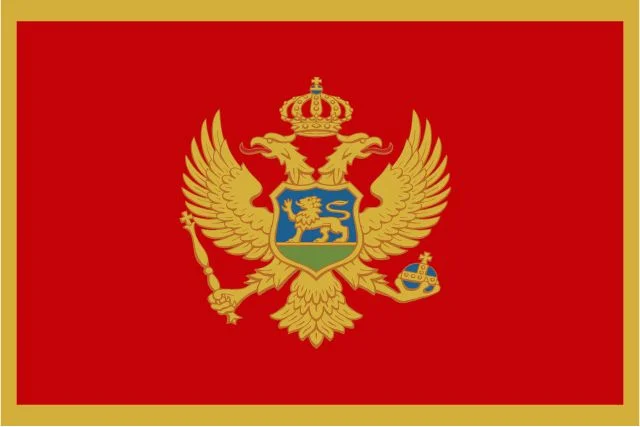
Montenegro
🏙️ Capital city:
Podgorica
📈 Country population:
620,000
🗺️ Country area:
13,812 km²
Core Facts / Infobox
Present this as a clean two-column table containing accurate and verified national facts. Include only fields with real data.
| Official Name | Montenegro |
| Common Name | Montenegro |
| Political Status | Sovereign unitary parliamentary republic |
| ISO Codes | ME, MNE, 499 |
| Internet TLD | .me |
| Calling Code | +382 |
| Capital City | Podgorica |
| Largest City | Podgorica |
| Coordinates | 42.44° N, 19.26° E |
| Time Zone | UTC+1 (CET), UTC+2 (CEST) |
| Population (2025 est.) | ~620,000 |
| Area | 13,812 km² |
| Population Density | ~45 per km² |
| Languages | Montenegrin (official) |
| Currency | Euro (EUR) |
| Driving Side | Right |
| GDP (Nominal) | ~USD 8 billion |
| GDP Per Capita | ~USD 13,000 |
| HDI | High |
| Life Expectancy | ~77 years |
| Continent & Subregion | Europe — Southeastern Europe (Balkans) |
| National Day | Statehood Day (13 July) |
| National Anthem | Oj, svijetla majska zoro |
Geography & Environment
- Located in Southeastern Europe on the Balkan Peninsula.
- Borders Croatia, Bosnia and Herzegovina, Serbia, Kosovo, and Albania.
- Has a short Adriatic Sea coastline.
- Mountainous terrain with deep canyons and karst landscapes.
- Climate: Mediterranean along the coast, continental inland.
Demographics
- Population: ~620,000.
- Major cities: Podgorica, Nikšić, Herceg Novi, Bar, Budva.
- Ethnic groups: Montenegrins, Serbs, Bosniaks, Albanians.
- Religions: Eastern Orthodox Christianity (majority), Islam, Catholicism.
History
- Medieval state of Duklja/Zeta.
- Maintained relative autonomy during Ottoman period.
- Recognized as an independent kingdom in 1878.
- Part of Yugoslavia during the 20th century.
- Restored independence via referendum in 2006.
- NATO member since 2017.
Government & Politics
- Political system: Parliamentary republic.
- Head of State: President of Montenegro.
- Head of Government: Prime Minister.
- Legislature: unicameral Parliament of Montenegro.
- Administrative divisions: municipalities.
Economy
- Upper-middle-income economy.
- Key sectors: tourism, services, energy.
- Main exports: aluminum, electricity, wine.
- Tourism is a major contributor to GDP.
- Strengths: natural beauty, euro usage.
- Weaknesses: small market, high public debt.
Culture & Society
- Strong South Slavic cultural traditions.
- Rich heritage in epic poetry and folklore.
- Blend of Orthodox, Mediterranean, and Balkan influences.
Food & Cuisine
- Traditional dishes: ćevapi, kačamak, njeguški pršut.
- Coastal cuisine emphasizes seafood and olive oil.
Education & Institutions
- High literacy rate.
- Main public university in Podgorica.
- Education system aligned with European standards.
Tourism
- Major tourist destination in the Adriatic.
- Top attractions: Bay of Kotor, Budva Old Town, Durmitor National Park.
- UNESCO World Heritage Site at Kotor.
Practical Information
- Emergency number: 112.
- Plug type: C/F; Voltage: 230V.
- Improving transport and tourism infrastructure.
Sports, Entertainment & Notable People
- Popular sports: football, basketball, water polo.
- Strong international success in water polo.
- Notable figures: Nikola Vučević, Miloš Karadaglić.
Neighboring Countries of Montenegro
Montenegro shares land borders with Albania 172 km, Bosnia and Herzegovina 225 km, Croatia 25 km, Kosovo 79 km, and Serbia 124 km.
Famous For
- Bay of Kotor.
- Adriatic coastline and medieval towns.
- Mountain landscapes and national parks.
- Compact diversity of nature.
Sources
- World Bank
- United Nations (UN Data)
- IMF
- CIA World Factbook
- Statistical Office of Montenegro