Random Country Generator 🌎

Philippines
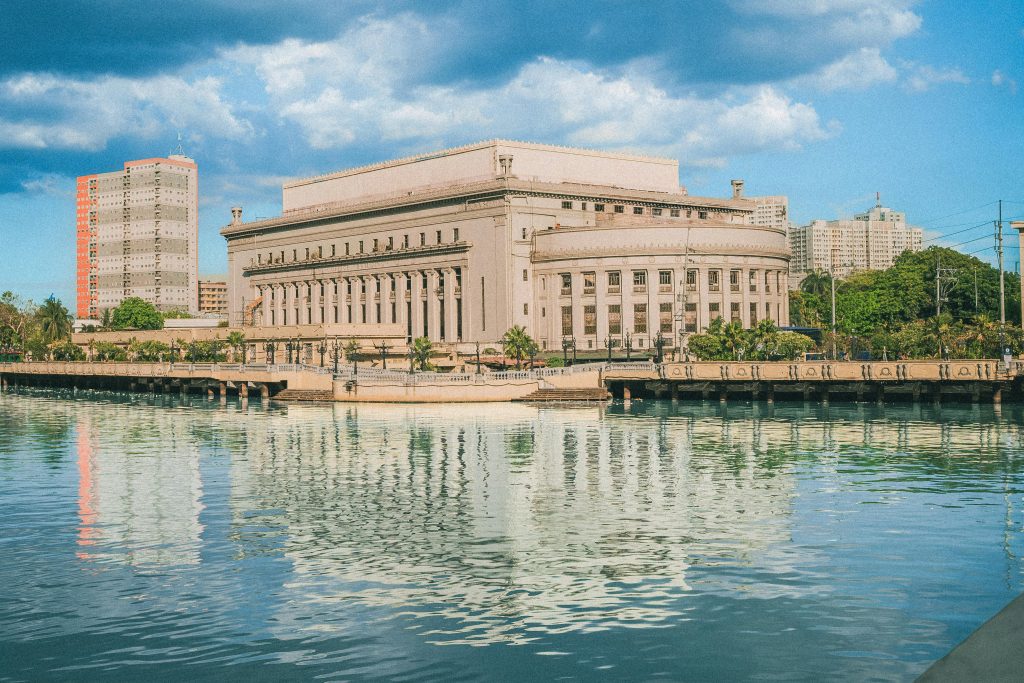
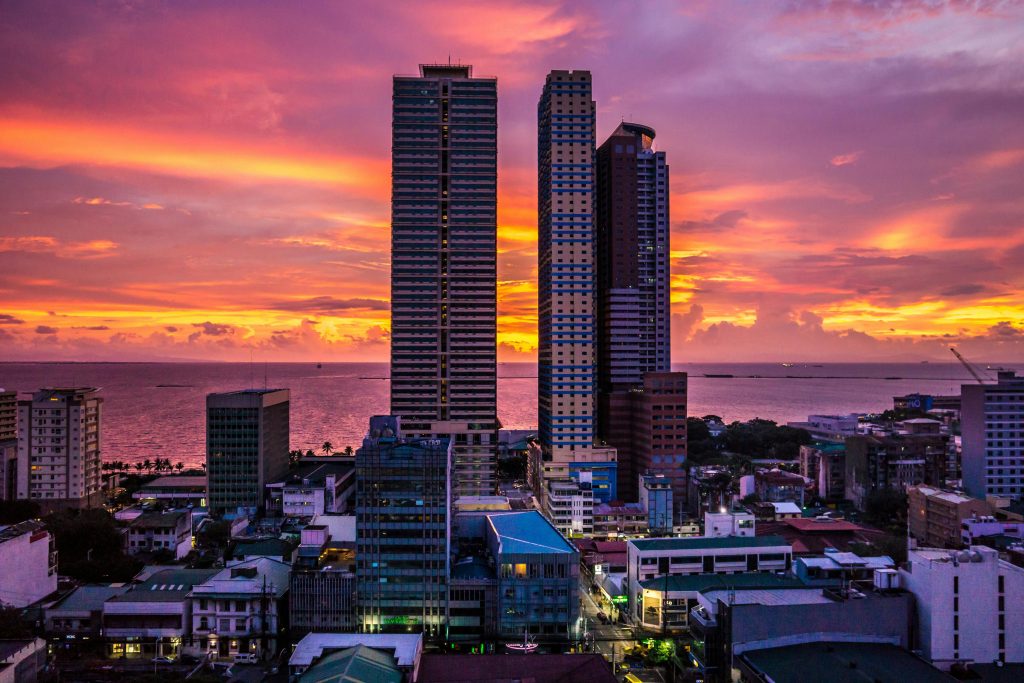
🏙️ Capital city:
Manila
📈 Country population:
119 million, ranks 13th globally.
🗺️ Country area:
300,000 km²
Core Facts / Infobox
Present this as a clean two-column table containing accurate and verified national facts. Include only fields with real data.
| Official Name | Republic of the Philippines |
| Common Name | Philippines |
| ISO Codes | PH, PHL, 608 |
| Internet TLD | .ph |
| Calling Code | +63 |
| Capital City | Manila |
| Largest City | Quezon City |
| Coordinates | 13° N, 122° E |
| Time Zone | UTC+8 (Philippine Standard Time) |
| Population (2025 est.) | ~119 million |
| Area | 300,000 km² |
| Population Density | ~400 per km² |
| Languages | Filipino and English (official), plus 170+ regional languages |
| Currency | Philippine Peso (PHP) |
| Driving Side | Right |
| GDP (Nominal) | ~USD 460 billion |
| GDP (PPP) | ~USD 1.4 trillion |
| GDP Per Capita | ~USD 3,800 |
| GDP Growth | ~5.6% |
| HDI | 0.699 (Medium) |
| Literacy Rate | ~97% |
| Life Expectancy | ~72 years |
| Unemployment | ~4.5% |
| Inflation | ~3–4% |
| Leaders | President and Vice President (names not listed for stability across updates) |
| Continent & Subregion | Asia — Southeast Asia |
| National Day | 12 June (Independence Day) |
| National Sport | Arnis |
| National Dish | Adobo |
| National Anthem | Lupang Hinirang |
Geography & Environment
- The Philippines is a Southeast Asian country random of more than 7,600 islands in the western Pacific Ocean.
- It is divided into three main island groups: Luzon, Visayas, and Mindanao.
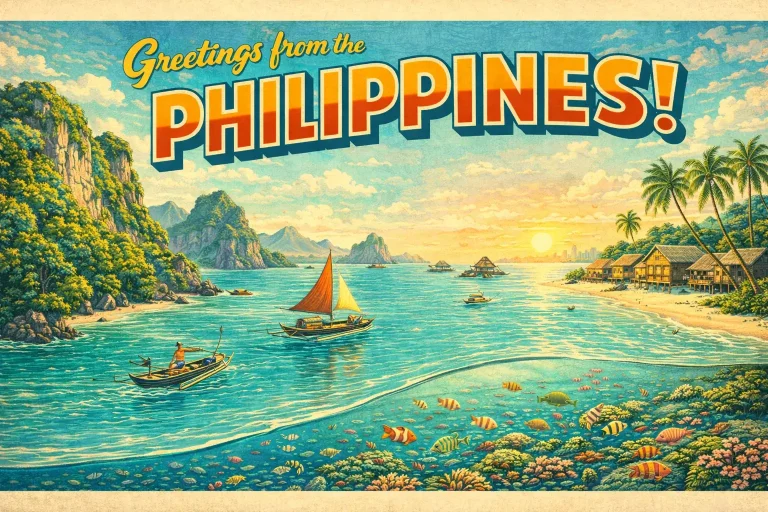
- Major geographical features include volcanoes, tropical rainforests, white-sand beaches, coral reefs, mountains, and fertile plains.
- The country lies on the Pacific “Ring of Fire,” making volcanic eruptions and earthquakes common.
- The climate is tropical, with a wet season (June–November) and a dry season (December–May).
- Best time to visit: December to April.
- Important national parks: Tubbataha Reefs Natural Park, Mount Apo Natural Park, Puerto Princesa Subterranean River National Park.
- Biodiversity includes tarsiers, Philippine eagles, tamaraws, whale sharks, and rich marine life.
- Environmental challenges include typhoons, flooding, deforestation, marine pollution, and coral reef loss.
Demographics
- Total population: ~119 million.
- Median age: ~26 years (young population).
- Urban vs rural: ~48% urban, ~52% rural.
- Main ethnic groups: Tagalog, Cebuano, Ilocano, Visayan, Bicolano, Kapampangan, Moro groups.
- Main religions: Christianity (predominantly Roman Catholic), Islam in Mindanao, various Christian denominations.
- Literacy rate: ~97%.
- Major cities: Manila, Quezon City, Cebu City, Davao City, Zamboanga City, Baguio.
History
- Early history includes Austronesian cultures, maritime kingdoms, and extensive regional trade.
- The Spanish colonized the Philippines for over 300 years beginning in the 1500s.
- The Philippine Revolution led to the 1898 declaration of independence.
- Control shifted to the United States, followed by Japanese occupation during World War II.
- The Philippines gained full independence on 4 July 1946.
- Modern history includes political reform, democratization, economic growth, and strong overseas migration.
Government & Politics
- Government type: Unitary presidential constitutional republic.
- The President serves as both head of state and head of government.
- Legislature: Bicameral — Senate and House of Representatives.
- Judiciary: Supreme Court and lower courts.
- Administrative divisions: 17 regions, 82 provinces.
- Key political issues include economic development, infrastructure, security in Mindanao, and climate resilience.
- The Philippines is a member of ASEAN, UN, APEC, and multiple international organizations.
Economy
- The Philippines is a fast-growing emerging economy in Southeast Asia.
- Major industries: services, electronics manufacturing, agriculture, BPO (call centers), construction, tourism, mining.
- Main exports: electronics, machinery, semiconductors, fruits, coconut oil, garments, BPO services.
- Main imports: fuel, machinery, electronics, food products, industrial materials.
- Strengths: young workforce, growing services sector, strong remittances from overseas workers.
- Weaknesses: infrastructure challenges, natural disaster risks, inequality.
- GDP sectors: Services (~60%), Industry (~30%), Agriculture (~10%).
- Remittances from overseas Filipino workers significantly boost the economy.
Culture & Society
- Filipino culture blends Malay, Spanish, American, and indigenous influences.
- Key values: hospitality, family unity, community cooperation, respect for elders.
- Major festivals: Sinulog, Ati-Atihan, Pahiyas, Panagbenga, Christmas season celebrations.
- Traditional dress: Barong Tagalog, Baro’t Saya.
- Arts include folk music, indigenous dances, weaving, literature, and modern entertainment industries.
- Popular languages: Filipino, English, Cebuano, Ilocano, Hiligaynon, Bicolano, Waray.
Food & Cuisine
- National dish: Adobo.
- Other iconic dishes: Sinigang, Lechon, Kare-Kare, Pancit, Halo-Halo.
- Street foods: Isaw, fish balls, kwek-kwek, balut.
- Beverages: Buko juice (coconut), calamansi juice, sago’t gulaman, coffee-based drinks.
- Cuisine blends sour, salty, sweet, and savory flavors with Spanish and Asian influences.
Education & Institutions
- The Philippines has an extensive education system with strong emphasis on English-language instruction.
- Medium of instruction: English and Filipino.
- Literacy rate: ~97%.
- Top universities: University of the Philippines, Ateneo de Manila University, De La Salle University, University of Santo Tomas.
- Strong fields: nursing, engineering, business, IT, maritime studies.
Tourism
- Top destinations: Boracay, Palawan, Cebu, Bohol, Siargao, Manila, Vigan.
- UNESCO World Heritage Sites: Banaue Rice Terraces, Vigan Historic Town, Tubbataha Reefs, San Agustin Church.
- Natural attractions: white-sand beaches, limestone cliffs, caves, coral reefs, volcanoes.
- Historical landmarks: Intramuros, Baroque churches, Rizal Park, ancestral houses.
- Adventure tourism: surfing, diving, island hopping, hiking.
- Visa: visa-free or visa-on-arrival for many nationalities.
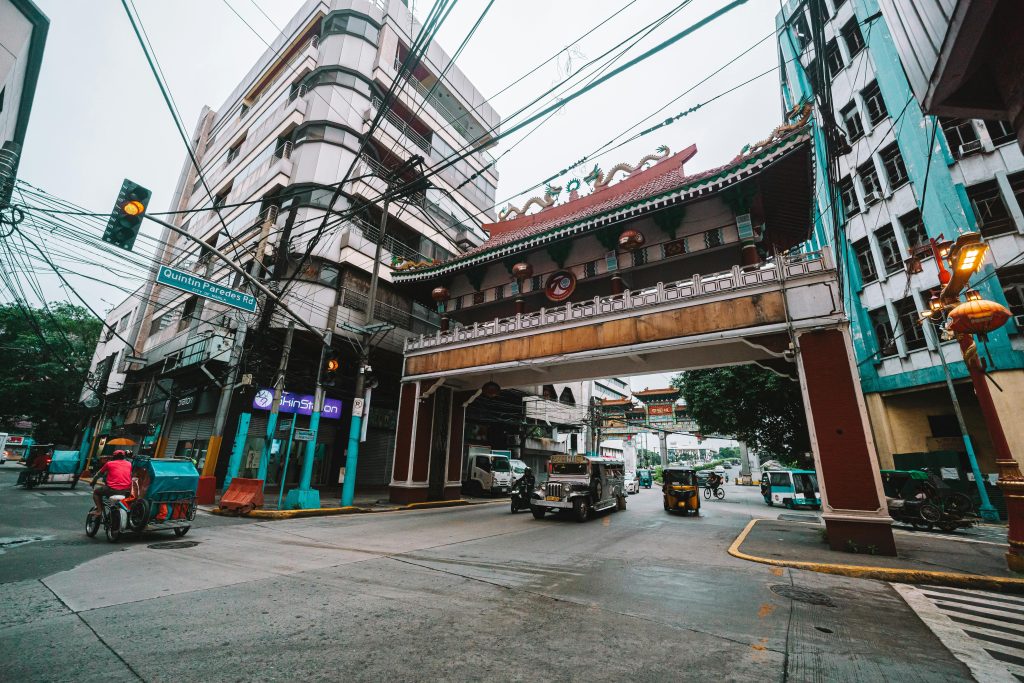
- Transportation: domestic flights, ferries, buses, jeepneys, trains in select cities.
Practical Information
- Safety: generally safe; take caution in crowded areas and during natural hazards.
- Healthcare: good in major cities; limited in remote islands.
- Emergency numbers: Police 117, Ambulance/Fire 911.
- Plug type: A, B, C; Voltage: 220V.
- Internet: improving; strong in cities, moderate in provincial areas.
- Best time to visit: November–April (dry season).
- Budget: moderate; affordable food and transport.
Sports, Entertainment & Notable People
- National sport: Arnis; popular sports include basketball, boxing, and volleyball.
- Famous athletes: Manny Pacquiao, Hidilyn Diaz, Carlos Yulo.
- Notable artists & entertainers: Lea Salonga, Nora Aunor, Liza Soberano, SB19.
- Writers and cultural icons: José Rizal, Nick Joaquin, Lualhati Bautista.
- The country is known for singers, musicians, and global entertainment talent.
Neighboring Countries of the Philippines
As an archipelago, the Philippines does not share any land borders with other countries. Instead, it is surrounded by several maritime neighbors. To the north lies Taiwan. Along its western and southwestern waters are Vietnam, China, and Malaysia. To the south and east, the Philippines shares maritime boundaries with Indonesia and Palau, while Japan is located to the northeast.
Famous For
- Beautiful islands and beaches.
- Warm hospitality and friendly people.
- Volcanoes and dramatic landscapes.
- Diverse marine life and diving spots.
- Vibrant festivals and traditions.
- Rich blend of Asian and Spanish culture.
- Adobo, Sinigang, Lechon, and Filipino cuisine.
- Manny Pacquiao and world-class athletes.
Sources
- World Bank
- United Nations (UN Data)
- IMF
- CIA World Factbook
- Philippine Statistics Authority
- Official Government Portals