
Random Country Generator 🌎
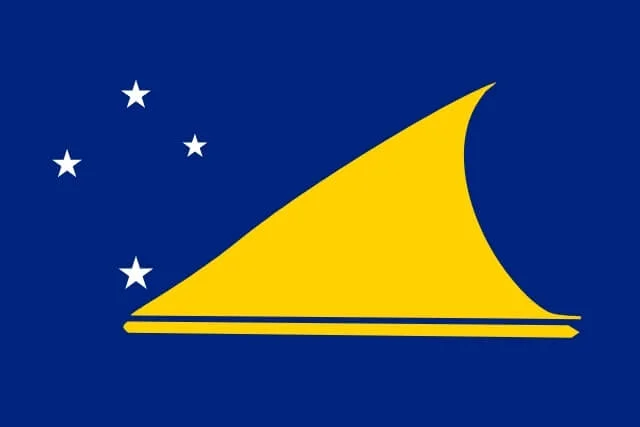
Tokelau
🏙️ Capital city:
No official capital; government administered from Atafu
📈 Country population:
1,900
🗺️ Country area:
12 km²
Core Facts / Infobox
Present this as a clean two-column table containing accurate and verified national facts. Include only fields with real data.
| Official Name | Tokelau |
| Common Name | Tokelau |
| ISO Codes | TK, TKL, 772 |
| Internet TLD | .tk |
| Calling Code | +690 |
| Capital City | No official capital; government administered from Atafu |
| Largest Settlement | Atafu |
| Coordinates | 9° S, 172° W |
| Time Zone | UTC+13 |
| Population (2025 est.) | ~1,900 |
| Area | 12 km² |
| Population Density | ~160 per km² |
| Languages | Tokelauan, English |
| Currency | New Zealand Dollar (NZD) |
| Driving Side | Left |
| GDP (Nominal) | ~USD 15–20 million (est.) |
| GDP Per Capita | ~USD 8,000–9,000 (est.) |
| HDI | Not ranked; development level similar to Pacific Island territories |
| Life Expectancy | ~70 years |
| Continent & Subregion | Oceania — Polynesia |
| National Day | None officially; celebrates New Zealand’s Waitangi Day |
| National Sport | Cricket & Rugby |
| National Dish | Fekei (coconut and flour pudding) |
| National Anthem | Te Atua o Tokelau |
Geography & Environment
- Tokelau is a group of three coral atolls in the South Pacific: Atafu, Nukunonu, and Fakaofo.
- Located north of Samoa and east of Tuvalu.
- Geography includes narrow coral atolls, lagoons, coconut palms, and reef ecosystems.
- Climate: tropical, warm, and humid with seasonal rainfall.
- Best time to visit: May–October (dry season).
- Marine biodiversity includes reef fish, sea turtles, sharks, and coral formations.
- Environmental challenges: rising sea levels, limited land, freshwater shortages, cyclones.
Demographics
- Total population: ~1,900.
- Median age: ~25 years.
- Ethnic groups: Tokelauan (Polynesian), small numbers of Samoans.
- Religions: Christianity (Congregational & Roman Catholic).
- Languages: Tokelauan and English.
- Major settlements: Atafu, Nukunonu, Fakaofo.
- Large diaspora in New Zealand.
History
- Originally settled by Polynesians over 1,000 years ago.
- Visited by European explorers in the 18th and 19th centuries.
- Placed under British protection in 1889 and annexed to New Zealand in 1926.
- Designated as a non-self-governing territory under the UN after WWII.
- Self-governance referendums held in 2006 and 2007 but did not reach required thresholds.
- Tokelau continues to operate in free association with New Zealand.
Government & Politics
- Government type: Non-self-governing territory under New Zealand administration.
- Head of State: King Charles III (represented by the New Zealand Governor-General).
- Head of Government: Ulu-o-Tokelau (rotates annually among the three atolls).
- Legislature: General Fono (unicameral council with representatives from each atoll).
- Administration: each atoll has its own local council (Taupulega).
- Key political concerns: autonomy debates, climate resilience, infrastructure development.
Economy
- Small subsistence-based economy supported heavily by New Zealand funding.
- Major industries: fishing, copra production, remittances, public sector employment.
- Main exports: fish, handicrafts, copra.
- Main imports: food, fuel, machinery, manufactured goods.
- Strengths: strong cultural identity, abundant marine resources.
- Weaknesses: isolation, limited land, small labor force, climate threats.
- GDP sectors: Services (~80%), Agriculture (~15%), Industry (~5%).
Culture & Society
- Tokelauan culture is deeply Polynesian, focused on community life and extended families.
- Traditional arts include weaving, woodworking, dance, and tattooing.
- Festivals include village celebrations, church events, and cultural performing arts.
- Languages: Tokelauan spoken daily; English used in education and administration.
- Social life revolves around village councils, churches, and family gatherings.
Food & Cuisine
- Staple foods include coconut, breadfruit, taro, fish, and pandanus.
- Signature dishes: Fekei (arrowroot with coconut cream), fish cooked in coconut milk.
- Popular foods: grilled fish, crab, breadfruit chips, pulaka dishes.
- Beverages: coconut water, fruit juices, tea.
Education & Institutions
- Medium of instruction: Tokelauan and English.
- Literacy rate: very high due to New Zealand-supported education.
- Main institutions: schools on each atoll; tertiary education usually pursued in New Zealand.
- Key study fields: teaching, maritime skills, public administration.
Tourism
- Top attractions: traditional villages, coral reefs, coconut groves, lagoon islands.
- Natural attractions: pristine waters, reef ecosystems, birdlife.
- Adventure tourism: snorkeling, fishing, boating, diving.
- Cultural tourism: traditional dance, weaving, village life experiences.
- Visa: most nationalities require prior permission from the Tokelau government.
- Transportation: no airport; access via boat from Samoa.
Practical Information
- Safety: very safe; small, close-knit communities.
- Healthcare: basic clinics on each atoll; serious cases transferred to Samoa or New Zealand.
- Emergency services: handled locally; limited facilities.
- Plug type: I; Voltage: 230V.
- Internet: improving but limited due to isolation.
- Best time to visit: May–October.
- Budget: moderate; few accommodations available.
Sports, Entertainment & Notable People
- Popular sports: cricket, rugby, volleyball, canoeing.
- Entertainment: traditional dancing, singing, storytelling, village gatherings.
- Notable people: Afega Gaualofa (former Ulu-o-Tokelau), sports figures in New Zealand’s diaspora.
Neighboring Countries of Tokelau
Tokelau does not share any land borders. Its maritime neighbours include Samoa, American Samoa, Cook Islands, and Tuvalu.
Famous For
- Traditional Polynesian culture.
- Three coral atolls with untouched nature.
- Strong village-based governance.
- Unique remote location (no airport).
- .tk domain name (globally popular).
- Community-driven lifestyle.
Sources
- United Nations (UN Data)
- World Bank
- CIA World Factbook
- Government of Tokelau
- New Zealand Ministry of Foreign Affairs