
Random Country Generator 🌎
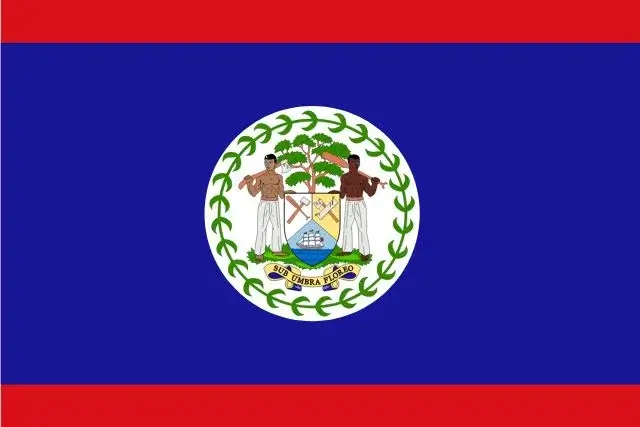
Belize
🏙️ Capital city:
Belmopan
📈 Country population:
420,000
🗺️ Country area:
22,9666 km²
Core Facts / Infobox
Present this as a clean two-column table containing accurate and verified national facts. Include only fields with real data.
| Official Name | Belize |
| Common Name | Belize |
| ISO Codes | BZ, BLZ, 084 |
| Internet TLD | .bz |
| Calling Code | +501 |
| Capital City | Belmopan |
| Largest City | Belize City |
| Coordinates | 17.2° N, 88.5° W |
| Time Zone | UTC−6 |
| Population (2025 est.) | ~420,000 |
| Area | 22,966 km² |
| Population Density | ~18 per km² |
| Languages | English (official); Belizean Creole, Spanish, Garifuna, Maya languages |
| Currency | Belize Dollar (BZD) — pegged 2:1 with USD |
| Driving Side | Right |
| GDP (Nominal) | ~USD 2.9 billion |
| GDP Per Capita | ~USD 7,000 |
| HDI | 0.708 (High) |
| Literacy Rate | ~83% |
| Life Expectancy | ~75 years |
| Unemployment | ~8–10% |
| Inflation | ~4–5% |
| Leaders | Prime Minister; Governor-General |
| Continent & Subregion | North America — Central America |
| National Day | September 21 (Independence Day) |
| National Sport | Football (soccer) |
| National Dish | Rice and Beans with Stew Chicken |
| National Anthem | Land of the Free |
Geography & Environment
- Located on the eastern coast of Central America, bordered by Mexico, Guatemala, and the Caribbean Sea.
- Features lush rainforests, rivers, savannas, mountains, lagoons, wetlands, and tropical coastlines.
- Home to the world-famous Belize Barrier Reef, a UNESCO World Heritage Site.
- Climate: tropical with a wet and dry season.
- Best time to visit: December–May.
- Major protected areas: Blue Hole Natural Monument, Cockscomb Basin Wildlife Sanctuary, Mountain Pine Ridge Forest Reserve.
- Biodiversity includes jaguars, tapirs, howler monkeys, manatees, turtles, and hundreds of bird species.
- Environmental challenges: deforestation, coral bleaching, hurricanes, coastal erosion.
Demographics
- Population ~420,000.
- Median age ~25 years (one of the youngest in the region).
- Ethnic groups: Mestizo, Creole, Maya, Garifuna, Mennonite, East Indian, Chinese.
- Languages: English official; Spanish widely spoken; Creole and indigenous languages common.
- Religion: mainly Christianity; also Garifuna spiritual traditions and Maya beliefs.
- Urban population ~46%.
- Major cities: Belize City, Belmopan, San Ignacio, Orange Walk Town.
History
- Originally home to the ancient Maya civilization.
- Later inhabited by British settlers; became British Honduras.
- The region developed around logging, particularly mahogany.
- Internal self-government achieved in 1964.
- Gained independence from the United Kingdom on September 21, 1981.
- Ongoing territorial dispute with Guatemala, currently at the International Court of Justice.
Government & Politics
- Government type: Parliamentary constitutional monarchy.
- Head of State: British Monarch represented by a Governor-General.
- Executive: Prime Minister and Cabinet.
- Legislature: bicameral National Assembly with a House of Representatives and a Senate.
- Judiciary: Supreme Court and Court of Appeal.
- Administrative divisions: 6 districts (Belize, Cayo, Corozal, Orange Walk, Stann Creek, Toledo).
Economy
- Economy based on tourism, agriculture, fisheries, and services.
- Major industries: eco-tourism, marine tourism, sugar, citrus, bananas, shrimp, forestry.
- Main exports: sugar, bananas, citrus, lobster, conch, molasses.
- Main imports: machinery, fuel, manufactured goods, food, vehicles.
- Strengths: rich biodiversity, tourism potential, English-speaking workforce.
- Weaknesses: high debt, natural disaster exposure, dependency on limited exports.
- GDP sectors: Services (~62%), Industry (~25%), Agriculture (~13%).
Culture & Society
- A multicultural society blending Maya, Creole, Mestizo, Garifuna, and European influences.
- Unique cultural traditions include Garifuna drumming, Maya rituals, and Caribbean festivals.
- Major celebrations: Garifuna Settlement Day, Carnival, Belize Independence Day.
- Music styles: punta, brukdown, reggae, soca, and Maya marimba.
- Languages and food reflect rich cultural diversity.
Food & Cuisine
- National dish: Rice and Beans with Stew Chicken served with plantains.
- Other notable dishes: Fry Jacks, Tamales, Hudut (Garifuna fish stew), Garnaches.
- Street foods: tacos, salbutes, panades.
- Beverages: local rum, cashew wine, bitters, tropical fruit juices.
Education & Institutions
- Medium of instruction: English.
- Literacy rate: ~83%.
- Leading institutions: University of Belize, Galen University.
- Strong fields: environmental science, agriculture, tourism management.
Tourism
- Top destinations: Great Blue Hole, Ambergris Caye, Placencia, Caye Caulker, Caracol Maya Ruins, Lamanai.
- UNESCO site: Belize Barrier Reef Reserve System.
- Natural attractions: jungle reserves, waterfalls, caves (Actun Tunichil Muknal), coral reefs.
- Adventure tourism: diving, snorkeling, cave tubing, hiking, birdwatching.
- Visa: visa-free for many nationalities.
- Transportation: buses, water taxis, domestic flights.
Practical Information
- Generally safe; caution advised in certain urban areas.
- Healthcare: good services in cities; limited in rural areas.
- Emergency number: 911.
- Plug type: A/B; Voltage: 110V.
- Internet: good in cities and islands; limited in remote areas.
- Best time to visit: December–May.
- Budget: moderate, depending on region and activities.
Sports, Entertainment & Notable People
- Popular sports: football, basketball, cycling, softball.
- Notable figures: Marion Jones (athlete, Belizean heritage), Andy Palacio (Garifuna musician).
- Cultural icons: Pen Cayetano, Leela Vernon.
Neighboring Countries of Belize
Belize shares land borders with the following countries:
Famous For
- The Belize Barrier Reef and Great Blue Hole.
- Ancient Maya cities and temples.
- Eco-tourism and rainforest adventures.
- Multicultural heritage and Garifuna traditions.
- Beautiful cayes and Caribbean beaches.
Sources
- World Bank
- United Nations (UN Data)
- IMF
- CIA World Factbook
- Statistical Institute of Belize
- Government of Belize