Random Country Generator 🌎
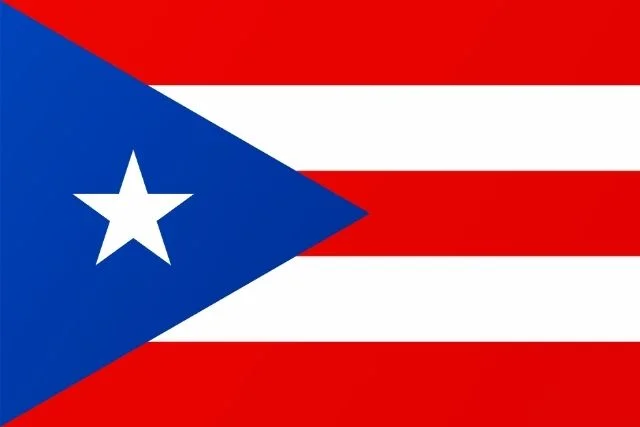
Puerto Rico
🏙️ Capital city:
San Juan
📈 Country population:
3.1 million
🗺️ Country area:
9,104 km²
Core Facts / Infobox
Present this as a clean two-column table containing accurate and verified national facts. Include only fields with real data.
| Official Name | Commonwealth of Puerto Rico |
| Common Name | Puerto Rico |
| Status | Unincorporated Territory of the United States |
| ISO Codes | PR, PRI, 630 |
| Internet TLD | .pr |
| Calling Code | +1 787 / +1 939 |
| Capital City | San Juan |
| Largest City | San Juan |
| Coordinates | 18.2° N, 66.5° W |
| Time Zone | UTC−4 |
| Population (2025 est.) | ~3.1 million |
| Area | 9,104 km² |
| Population Density | ~340 per km² |
| Languages | Spanish and English (official) |
| Currency | United States Dollar (USD) |
| Driving Side | Right |
| GDP (Nominal) | ~USD 110 billion |
| GDP (PPP) | ~USD 175 billion |
| GDP Per Capita | ~USD 35,000 (PPP ~55,000) |
| HDI | 0.845 (Very High) |
| Literacy Rate | ~94% |
| Life Expectancy | ~80 years |
| Unemployment | ~7–8% |
| Inflation | ~3–4% |
| Leaders | Governor; Resident Commissioner (U.S. Congress) |
| Continent & Subregion | North America — Caribbean |
| National Day | July 25 (Constitution Day) |
| National Sport | Baseball |
| National Dish | Arroz con Gandules |
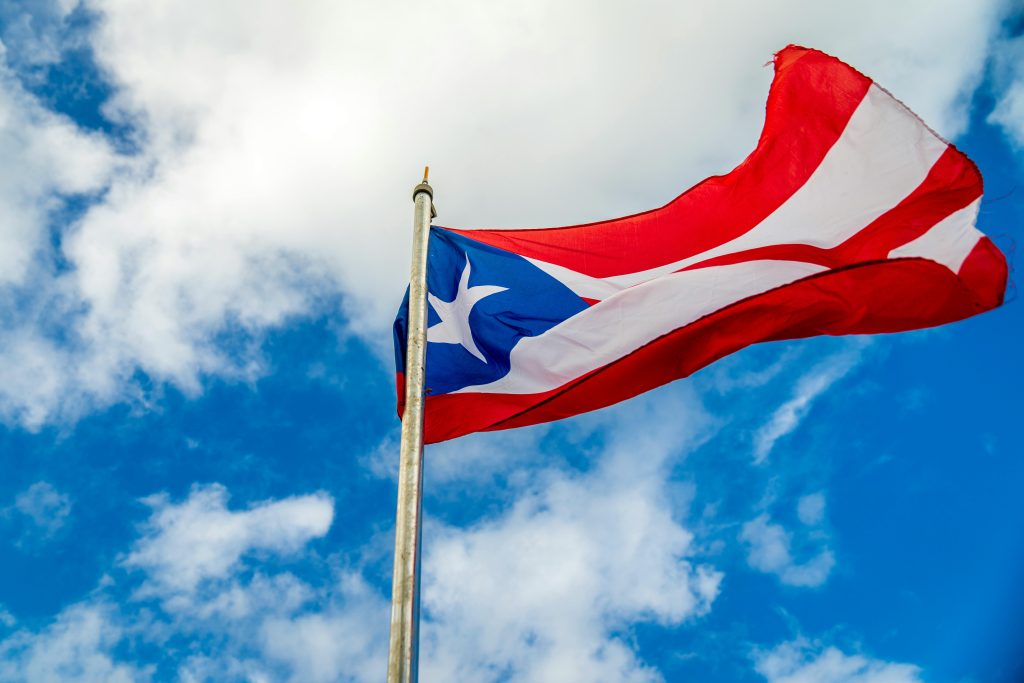
| National Anthem | La Borinqueña |
Geography & Environment
- Located in the northeastern Caribbean Sea, east of the Dominican Republic.
- Consists of the main island of Puerto Rico and smaller islands such as Vieques and Culebra.
- Geography includes mountains, beaches, rainforests, caves, and bioluminescent bays.
- Climate: tropical marine with warm temperatures year-round.
- Best time to visit: December–April.
- National parks: El Yunque National Forest (only tropical rainforest in the U.S. system), Cabo Rojo National Wildlife Refuge.
- Biodiversity: parrots, manatees, coquí frogs, sea turtles, and a wide range of tropical flora.
- Environmental challenges: hurricanes, flooding, coastal erosion, earthquake risk.
Demographics
- Population ~3.1 million.
- Median age ~44 years (one of the oldest demographics in the region).
- Ethnic groups: Mestizo, White, Afro-Puerto Rican, and mixed Caribbean heritage.
- Languages: Spanish dominant; English widely used in tourism and government.
- Religion: predominantly Roman Catholic and Protestant Christian.
- Urban population ~94%.
- Major cities: San Juan, Bayamón, Carolina, Ponce, Caguas.
History
- Originally inhabited by Taíno Indigenous peoples.
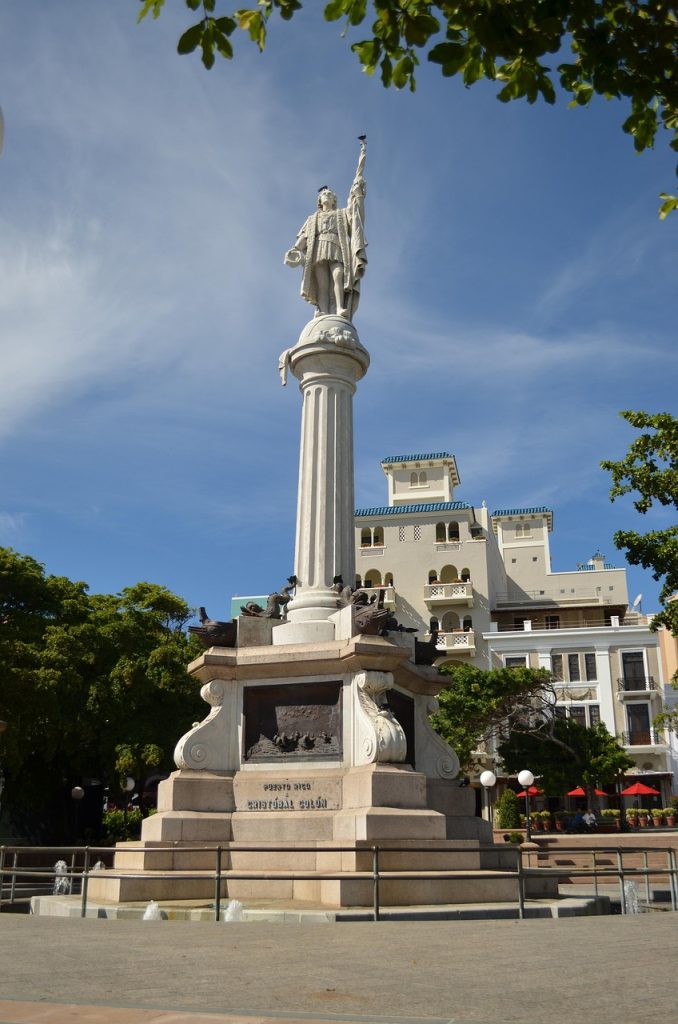
- Claimed by Spain after Christopher Columbus’ arrival in 1493.
- Spanish rule lasted over 400 years, shaping culture and language.
- Ceded to the United States in 1898 after the Spanish–American War.
- The Jones Act of 1917 granted U.S. citizenship to Puerto Ricans.
- Became a U.S. Commonwealth in 1952 with its own constitution.
- Recent history includes economic struggles, migration waves, and major hurricanes such as Maria (2017).
Government & Politics
- Political status: Unincorporated U.S. territory with self-governance.
- Executive: Governor.
- Legislature: bicameral Legislative Assembly.
- Judiciary: Supreme Court of Puerto Rico.
- Federal representation: a non-voting Resident Commissioner in the U.S. House of Representatives.
- Debate continues over statehood, independence, or enhanced autonomy.
Economy
- Highly industrialized economy compared to other Caribbean nations.
- Major industries: pharmaceuticals, manufacturing, tourism, finance, electronics, agriculture.
- Main exports: pharmaceuticals, medical devices, rum, electronics, clothing.
- Main imports: food, fuel, machinery, consumer goods.
- Strengths: strong manufacturing sector, U.S. market access, tourism.
- Weaknesses: high public debt, natural disaster vulnerability, population decline.
- GDP sectors: Services (~65%), Industry (~33%), Agriculture (~2%).
Culture & Society
- A vibrant blend of Taíno, Spanish, African, and American influences.
- Music styles: salsa, reggaeton, bomba, plena, and Latin pop.
- Festivals: San Sebastián Street Festival, Ponce Carnival, Three Kings Day.
- Traditional clothing includes colorful folkloric outfits for festivals and dance.
- Strong emphasis on family, food, music, and community gatherings.
Food & Cuisine
- National dish: Arroz con Gandules — rice with pigeon peas and pork.
- Other iconic dishes: Mofongo, Lechón Asado, Pasteles, Tostones.
- Street foods: alcapurrias, empanadillas, bacalaítos.
- Beverages: piña colada (originated in Puerto Rico), rum, malta, tropical fruit juices.
Education & Institutions
- Medium of instruction: Spanish and English.
- Literacy rate: ~94%.
- Top universities: University of Puerto Rico, Interamerican University, Ana G. Méndez University.
- Strong academic fields: medicine, engineering, science, liberal arts.
Tourism
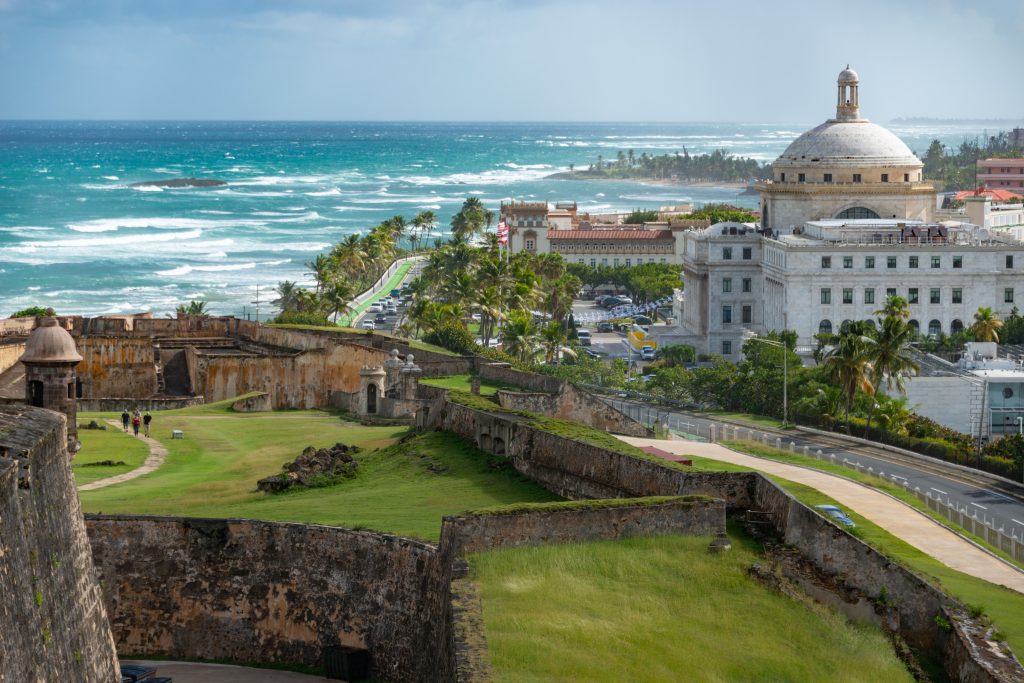
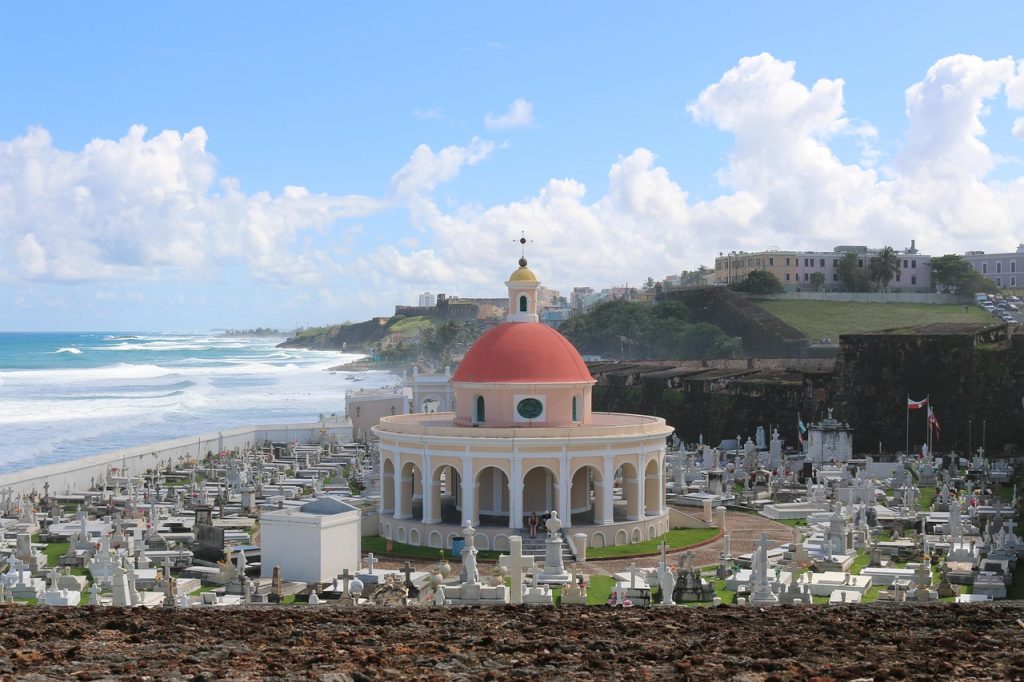
- Top destinations: Old San Juan, El Yunque Rainforest, Culebra, Vieques, Rincon, Ponce.
- UNESCO sites: La Fortaleza and San Juan National Historic Site.
- Natural attractions: bioluminescent bays, caves, beaches, coral reefs, rainforests.
- Adventure tourism: surfing, snorkeling, diving, ziplining, hiking.
- Visa: U.S. visa policies apply; U.S. citizens can travel freely.
- Transportation: highways, ferries, buses, taxis, domestic flights.
Practical Information
- Relatively safe; caution advised in certain urban areas.
- Healthcare: modern hospitals and clinics across major cities.
- Emergency number: 911.
- Plug type: A/B; Voltage: 120V (same as U.S.).
- Internet: high-speed connectivity widely available.
- Best time to visit: December–April.
- Budget: moderate to high depending on region.
Sports, Entertainment & Notable People
- National sport: baseball.
- Popular sports: basketball, boxing, volleyball.
- Famous athletes: Roberto Clemente, Tito Trinidad, Monica Puig.
- Global musicians: Bad Bunny, Ricky Martin, Daddy Yankee, Luis Fonsi.
- Writers: Julia de Burgos, Rosario Ferré.
- Actors: Benicio del Toro, Rita Moreno.
Neighboring Countries of Puerto Rico
Puerto Rico does not share any land borders. Its maritime neighbors include the Dominican Republic to the west (across the Mona Passage), the United States Virgin Islands to the east, and the British Virgin Islands to the east; it is also near Haiti to the west and the Lesser Antilles chain to the southeast.
Famous For
- El Yunque Rainforest.
- Beaches and islands (Vieques, Culebra).
- Old San Juan architecture.
- Reggaeton music.
- Bioluminescent bays.
- Rich Caribbean cuisine.
- World-class rum.
Sources
- World Bank
- United Nations (UN Data)
- IMF
- CIA World Factbook
- Puerto Rico Institute of Statistics
- Government of Puerto Rico