
Random Country Generator 🌎
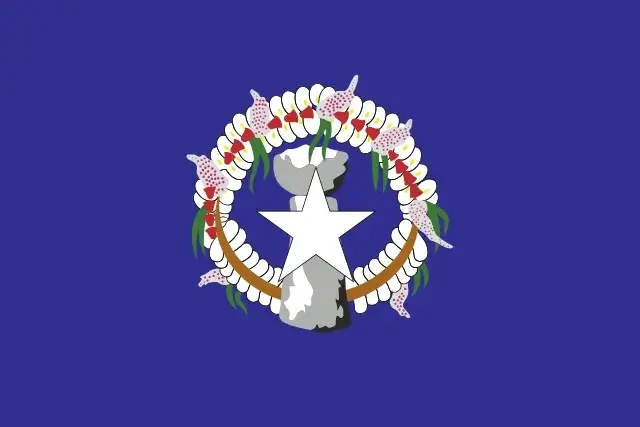
Northern Mariana Islands
🏙️ Capital city:
Saipan (de facto)
📈 Country population:
50,000
🗺️ Country area:
464 km²
Core Facts / Infobox
Present this as a clean two-column table containing accurate and verified national facts. Include only fields with real data.
| Official Name | Commonwealth of the Northern Mariana Islands (CNMI) |
| Common Name | Northern Mariana Islands |
| ISO Codes | MP, MNP, 580 |
| Internet TLD | .mp |
| Calling Code | +1-670 |
| Capital City | Saipan (de facto) |
| Largest City | Saipan |
| Coordinates | 15.2° N, 145.7° E |
| Time Zone | UTC+10 |
| Population (2025 est.) | ~50,000 |
| Area | 464 km² |
| Population Density | ~110 per km² |
| Languages | English, Chamorro, Carolinian |
| Currency | US Dollar (USD) |
| Driving Side | Right |
| GDP (PPP) | ~USD 1.2 billion |
| GDP Per Capita | ~USD 24,000+ |
| HDI | Comparable to U.S. territories (high) |
| Literacy Rate | ~97% |
| Life Expectancy | ~77 years |
| Continent & Subregion | Oceania — Micronesia |
| National Day | 8 January (Commonwealth Day) |
| National Sport | Baseball & Softball |
| National Dish | Red Rice, Kelaguen |
| National Anthem | Gi Talo Gi Halom Tasi |
Geography & Environment
- The Northern Mariana Islands form a chain of 14 tropical islands in the western Pacific Ocean, north of Guam.
- Major islands include Saipan, Tinian, and Rota.
- The region features volcanic peaks, limestone forests, lush greenery, and pristine beaches.
- The islands experience a tropical marine climate with warm temperatures year-round.
- Best time to visit: December–June (dry season).
- Notable natural sites: Managaha Island, Forbidden Island, Mount Tapochau, Bird Island Sanctuary.
- Marine biodiversity includes turtles, manta rays, reef sharks, and vibrant coral ecosystems.
- Environmental challenges: typhoons, coastal erosion, water scarcity, impacts of tourism.
Demographics
- Total population: ~50,000.
- Median age: ~35 years.
- Urban concentration mostly on Saipan.
- Ethnic groups: Chamorro, Carolinian, Filipino, Chinese, and other Asian communities.
- Religions: Christianity (Catholic majority), Protestant denominations.
- Literacy rate: ~97%.
- Major towns: Saipan, Tinian, Songsong (Rota).
History
- Indigenous Chamorro and Carolinian peoples settled the islands thousands of years ago.
- Colonized by Spain in the 16th century and later sold to Germany in 1899.
- Japan administered the islands after WWI and built military bases.
- During WWII, the islands were major battlegrounds (Battle of Saipan).
- After WWII, the islands became part of the U.S.-administered Trust Territory of the Pacific Islands.
- In 1978, CNMI voted to join the United States as a commonwealth.
- Commonwealth status became effective on 4 November 1986.
Government & Politics
- Status: Self-governing commonwealth in political union with the United States.
- Executive: Governor and Lieutenant Governor.
- Legislature: bicameral (Senate & House of Representatives).
- Judiciary: CNMI Supreme Court and District Court (U.S. federal jurisdiction).
- Representation: one non-voting delegate in the U.S. House of Representatives.
- Political priorities: tourism development, labor reforms, infrastructure upgrades.
Economy
- Economy driven mainly by tourism, services, and U.S. federal spending.
- Major industries: tourism (Saipan), construction, fishing, real estate.
- Main exports: garments (historically), fish, craft products.
- Main imports: food, fuel, machinery, manufactured goods.
- Strengths: strong tourism market (Japan, Korea, U.S.), U.S. federal support.
- Weaknesses: reliance on tourism, seasonal economy, typhoon vulnerability.
- GDP sectors: Services (~80%), Industry (~15%), Agriculture (~5%).
Culture & Society
- Culture blends Chamorro, Carolinian, American, and Asian influences.
- Traditional customs emphasize family, respect, and community harmony.
- Important cultural practices: canoe building, storytelling, chanting, dance.
- Festivals: Liberation Day, Flame Tree Festival, San Vicente Fiesta.
- Languages: Chamorro and Carolinian widely spoken alongside English.
Food & Cuisine
- Popular dishes include Red Rice, Kelaguen (marinated meat/fish), and barbecue plates.
- Traditional foods: breadfruit, taro, coconut-based dishes.
- Street foods: BBQ chicken, lumpia, shrimp patties.
- Common beverages: coconut water, local juices, American soft drinks.
Education & Institutions
- Medium of instruction: English, with Chamorro and Carolinian in cultural subjects.
- Literacy rate: ~97%.
- Top institution: Northern Marianas College (NMC).
- Important fields: tourism, business, nursing, education, construction trades.
Tourism
- Top destinations: Managaha Island, Grotto diving cave, Forbidden Island, Bird Island Sanctuary, Tinian WWII sites.
- Natural attractions: coral reefs, turquoise waters, limestone cliffs, tropical forests.
- Adventure tourism: diving, snorkeling, hiking, parasailing, off-road tours.
- Cultural attractions: Chamorro villages, museums, memorials.
- Visa: U.S. visa rules apply, with a special tourist waiver program for some Asian nationalities.
- Transportation: buses, taxis, car rentals, inter-island flights.
Practical Information
- Safety: very safe; low crime rates.
- Healthcare: hospitals and clinics available on Saipan; limited facilities on other islands.
- Emergency numbers: 911 (all services).
- Plug type: A & B (U.S. standard); Voltage: 120V.
- Internet: reliable in Saipan; slower in remote islands.
- Best time to visit: December–June.
- Budget: moderate to premium depending on resort choice.
Sports, Entertainment & Notable People
- Popular sports: baseball, softball, basketball, soccer.
- Notable athletes: Brian Viloria (boxing world champion, CNMI heritage).
- Entertainment: cultural dances, island festivals, beach concerts.
- Notable figures: Benigno Fitial (governor), Juan Nekai Babauta (governor), Manny Borja (athlete).
Neighboring Countries of Northern Mariana Islands
Northern Mariana Islands does not share any land borders. Its maritime neighbours include Guam, Federated States of Micronesia, and Palau.
Famous For
- Managaha Island — one of the Pacific’s most beautiful beaches.
- Grotto — world-famous diving cave.
- Chamorro & Carolinian culture.
- WWII historical sites.
- Saipan’s luxury resorts and clear blue waters.
- Limestone cliffs and tropical scenery.
Sources
- World Bank
- United Nations (UN Data)
- CIA World Factbook
- US Census Bureau
- Northern Mariana Islands Government
- NMI Statistics Office