
Random Country Generator 🌎
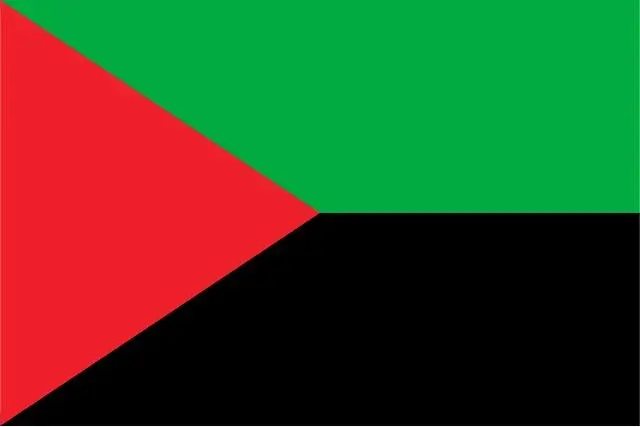
Martinique
🏙️ Capital city:
Fort-de-France
📈 Country population:
355,000
🗺️ Country area:
1,128 km²
Core Facts / Infobox
Present this as a clean two-column table containing accurate and verified national facts. Include only fields with real data.
| Official Name | Martinique (Overseas Department and Region of France) |
| Common Name | Martinique |
| ISO Codes | MQ, MTQ, 474 |
| Internet TLD | .mq |
| Calling Code | +596 |
| Capital City | Fort-de-France |
| Largest City | Fort-de-France |
| Coordinates | 14.6° N, 61.0° W |
| Time Zone | UTC−4 |
| Population (2025 est.) | ~355,000 |
| Area | 1,128 km² |
| Population Density | ~315 per km² |
| Languages | French (official), Martinican Creole widely spoken |
| Currency | Euro (EUR) |
| Driving Side | Right |
| GDP (Nominal) | ~USD 9 billion (approx.) |
| GDP Per Capita | ~USD 25,000 (approx.) |
| HDI | Very High (France composite index) |
| Life Expectancy | ~83 years |
| Continent & Subregion | North America — Caribbean |
| National Day | May 22 (Abolition of Slavery Day) |
| National Sport | Football (soccer) |
| National Dish | Colombo de Poulet |
| National Anthem | La Marseillaise (France) |
Geography & Environment
- Located in the Lesser Antilles of the eastern Caribbean Sea.
- Mountainous island with a striking landscape featuring rainforests, black-sand and white-sand beaches, and fertile valleys.
- Home to Mount Pelée, an active volcano known for its devastating 1902 eruption.
- Climate: tropical and humid with distinct dry and rainy seasons.
- Best time to visit: December–April.
- National parks and reserves: Montagne Pelée Biological Reserve, Caravelle Peninsula Reserve, Balata Gardens.
- Biodiversity includes tropical birds, hummingbirds, iguanas, manicou (opossum), and diverse marine life.
- Environmental challenges: hurricanes, volcanic activity, coastal erosion, coral reef degradation.
Demographics
- Population ~355,000.
- Median age ~46 years.
- Ethnic composition: Afro-Caribbean majority, mixed heritage, European (French), Indian, and Middle Eastern communities.
- Languages: French is official; Martinican Creole widely spoken in daily life.
- Religion: predominantly Roman Catholic, with Protestant, Spiritualist, and Afro-Caribbean influences.
- Major cities: Fort-de-France, Le Lamentin, Schoelcher, Sainte-Marie.
History
- Originally inhabited by Arawak and Carib peoples.
- Colonized by France in 1635 and became a major sugar-producing slave colony.
- Slavery was abolished in 1848, shaping the island’s cultural identity.
- Martinique became an overseas department of France in 1946 and later an overseas region.
- The 1902 eruption of Mount Pelée destroyed Saint-Pierre, once the island’s largest city.
- Fully integrated into the French Republic and the European Union.
Government & Politics
- Status: Overseas Department and Region of France.
- Head of State: President of France.
- Local governance: Territorial Collectivity of Martinique (CTM), led by an elected Assembly and Executive Council.
- Judiciary: Part of the French legal system.
- EU status: EU outermost region using the euro.
Economy
- Economy driven by tourism, agriculture, services, and French/EU subsidies.
- Major industries: tourism, rum production, agriculture (bananas, sugarcane), fishing, services.
- Main exports: rum, bananas, refined petroleum products, sugar, tropical fruits.
- Main imports: manufactured goods, vehicles, machinery, food, fuel.
- Strengths: stable economic support from France, tourism, strong infrastructure.
- Weaknesses: reliance on imports, unemployment, hurricane vulnerability.
- GDP sectors: Services (~80%), Industry (~15%), Agriculture (~5%).
Culture & Society
- A rich blend of French, African, Caribbean, and Indian cultural influences.
- Music styles include zouk, biguine, chouval bwa, and traditional drumming.
- Festivals: Martinique Carnival, Saint-Pierre Remembrance, Yole Boat Races.
- Traditional dress includes colorful madras fabrics and Creole-inspired designs.
- Strong literary and artistic traditions, including figures like Aimé Césaire.
Food & Cuisine
- National dish: Colombo de Poulet (Creole chicken curry with spices).
- Other iconic foods: Accras de Morue (cod fritters), Boudin Créole, Grilled Lobster, Trempé.
- Street foods: bokits, sorbets, creole pastries.
- Beverages: world-famous Martinican rum, ti’ punch, coconut water.
Education & Institutions
- Education follows the French national curriculum.
- Medium of instruction: French; Creole used informally.
- Literacy rate: above 98% (France standard).
- Leading institutions: University of the French Antilles (Martinique campus), research centers on volcanology and ecology.
- Strong fields: environmental sciences, tourism, agriculture, healthcare.
Tourism
- Top destinations: Mount Pelée, Les Salines Beach, Jardin de Balata, Diamond Rock, Saint-Pierre ruins.
- UNESCO recognition: Martinique is a UNESCO Biosphere Reserve.
- Natural attractions: rainforests, waterfalls, coral reefs, hot springs.
- Adventure tourism: hiking, diving, snorkeling, canyoning, yole sailing.
- Visa: Schengen visa requirements apply; EU citizens enter freely.
- Transportation: buses, ferries, car rentals, international airport (FDF).
Practical Information
- Generally very safe; normal precautions recommended.
- Healthcare: advanced French medical system with modern hospitals.
- Emergency number: 112 / 911.
- Plug type: C/E; Voltage: 230V.
- Internet: strong connectivity throughout the island.
- Best time to visit: December–April.
- Budget: mid-range to high due to EU pricing.
Sports, Entertainment & Notable People
- Popular sports: football, cycling, athletics, yole boat racing.
- Notable personalities: Aimé Césaire (poet and political figure), Frantz Fanon (philosopher), Joseph Zobel (writer).
- Musicians: Malavoi, Kali, and zouk artists of the French Antilles.
- Entertainment: vibrant Carnival culture, Creole music festivals.
Neighboring Countries of Martinique
Martinique does not share any land borders. As an overseas region of France in the Lesser Antilles, its immediate maritime neighbours include Dominica to the northwest at approximately 35 km and Saint Lucia to the south at about 26 km; other nearby Caribbean neighbours include Barbados to the southeast and Guadeloupe to the north.
Famous For
- Mount Pelée volcano.
- White-sand and black-sand beaches.
- High-quality Martinican rum.
- Creole cuisine and Colombo.
- UNESCO Biosphere Reserve status.
- Vibrant Carnival and cultural festivals.
- Yole boat racing.
Sources
- INSEE (France Statistics)
- World Bank
- United Nations (UN Data)
- CIA World Factbook
- Government of Martinique