Random Country Generator 🌎
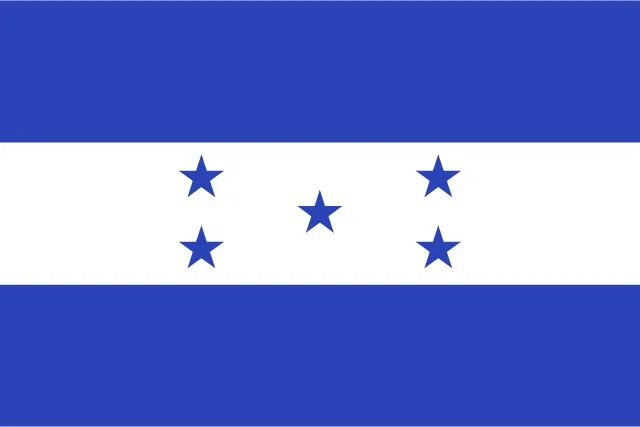
Honduras
🏙️ Capital city:
Tegucigalpa
📈 Country population:
10.9 million
🗺️ Country area:
112,492 km²
Core Facts / Infobox
Present this as a clean two-column table containing accurate and verified national facts. Include only fields with real data.
| Official Name | Republic of Honduras |
| Common Name | Honduras |
| ISO Codes | HN, HND, 340 |
| Internet TLD | .hn |
| Calling Code | +504 |
| Capital City | Tegucigalpa |
| Largest City | Tegucigalpa |
| Coordinates | 14.1° N, 87.2° W |
| Time Zone | UTC−6 |
| Population (2025 est.) | ~10.9 million |
| Area | 112,492 km² |
| Population Density | ~97 per km² |
| Languages | Spanish (official); indigenous languages including Garífuna, Miskito, Lenca |
| Currency | Honduran Lempira (HNL) |
| Driving Side | Right |
| GDP (Nominal) | ~USD 34 billion |
| GDP (PPP) | ~USD 70 billion |
| GDP Per Capita | ~USD 3,200 (PPP ~6,600) |
| HDI | 0.621 (Medium) |
| Literacy Rate | ~89% |
| Life Expectancy | ~75 years |
| Unemployment | ~9% |
| Inflation | ~5–6% |
| Leaders | President; Vice President |
| Continent & Subregion | North America — Central America |
| National Day | September 15 (Independence Day) |
| National Sport | Football (Soccer) |
| National Dish | Plato típico (beans, rice, beef, plantains) |
| National Anthem | Himno Nacional de Honduras |
Geography & Environment
- Located in Central America, bordered by Guatemala, El Salvador, and Nicaragua.
- Has coastlines on the Caribbean Sea (north) and the Pacific Ocean via the Gulf of Fonseca (south).
- Geographical features include mountains, tropical rainforests, fertile valleys, rivers, and the Bay Islands.
- Climate: tropical in coastal regions and cooler in highlands.
- Best time to visit: December–April (dry season).
- National parks: Pico Bonito, Celaque, Río Plátano Biosphere Reserve (UNESCO).
- Biodiversity includes jaguars, tapirs, scarlet macaws, coral reefs, and manatees.
- Environmental challenges: deforestation, hurricanes, flooding, soil erosion.
Demographics
- Population ~10.9 million.
- Median age ~24 years.
- Ethnic groups: Mestizo (majority), Indigenous (Lenca, Miskito, Garífuna), Afro-Honduran, European descent.
- Religion: predominantly Christian (Catholic and Protestant).
- Urban population ~58%.
- Major cities: Tegucigalpa, San Pedro Sula, La Ceiba, Choloma.
History
- Originally inhabited by Maya, Lenca, and other Indigenous groups.
- Colonized by Spain in the early 1500s.
- Became independent from Spain on September 15, 1821.
- Later part of the Federal Republic of Central America until 1838.
- 20th century marked by U.S. involvement and the rise of “banana republics.”
- Modern challenges include political instability, crime, and migration.
Government & Politics
- Government type: Presidential republic.
- Executive: President.
- Legislature: unicameral National Congress.
- Judiciary: Supreme Court of Justice.
- Administrative divisions: 18 departments.
- Key issues: corruption, inequality, organized crime influence.
Economy
- Lower-middle-income economy with heavy reliance on agriculture and remittances.
- Major industries: textiles, agriculture, manufacturing, services, mining.
- Main exports: coffee, bananas, palm oil, shrimp, textiles, gold.
- Main imports: fuel, machinery, chemicals, food products.
- Strengths: agricultural diversity, manufacturing zones, young workforce.
- Weaknesses: poverty, vulnerability to natural disasters, limited industrialization.
- GDP sectors: Services (~58%), Industry (~28%), Agriculture (~14%).
Culture & Society
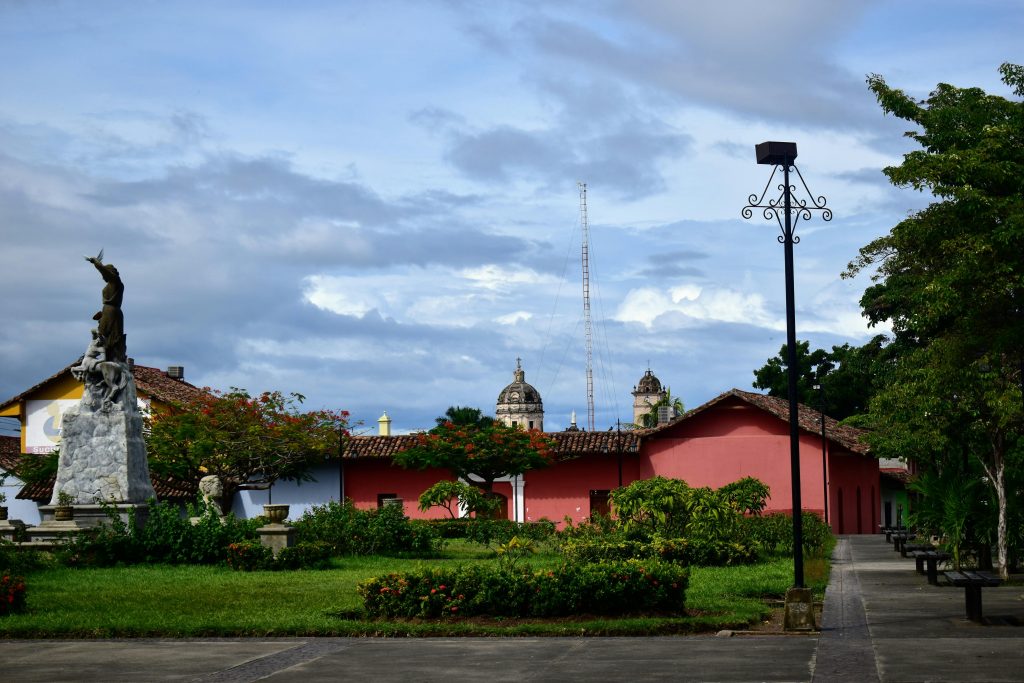
- A blend of Indigenous, Spanish, and Afro-Caribbean traditions.
- Important cultural celebrations: Semana Santa, Independence Day, Punta Gorda Festival.
- Traditional clothing includes bright Indigenous garments and folkloric costumes.
- Music styles: punta (Garífuna), marimba, Latin pop, regional folk.
- Languages: Spanish widely spoken; Indigenous communities preserve their languages.
Food & Cuisine
- National dish: Plato típico.
- Iconic foods: Baleadas (flour tortilla with beans and cheese), Sopa de Caracol, tamales, yucca con chicharrón.
- Street foods: pastelitos, tacos catrachos, enchiladas hondureñas.
- Beverages: horchata, tamarindo juice, local coffee (high quality), guifiti (Garífuna herbal drink).
Education & Institutions
- Medium of instruction: Spanish.
- Literacy rate: ~89%.
- Major universities: National Autonomous University of Honduras, Universidad Tecnológica Centroamericana.
- Education challenges include access in rural regions and limited funding.
Tourism
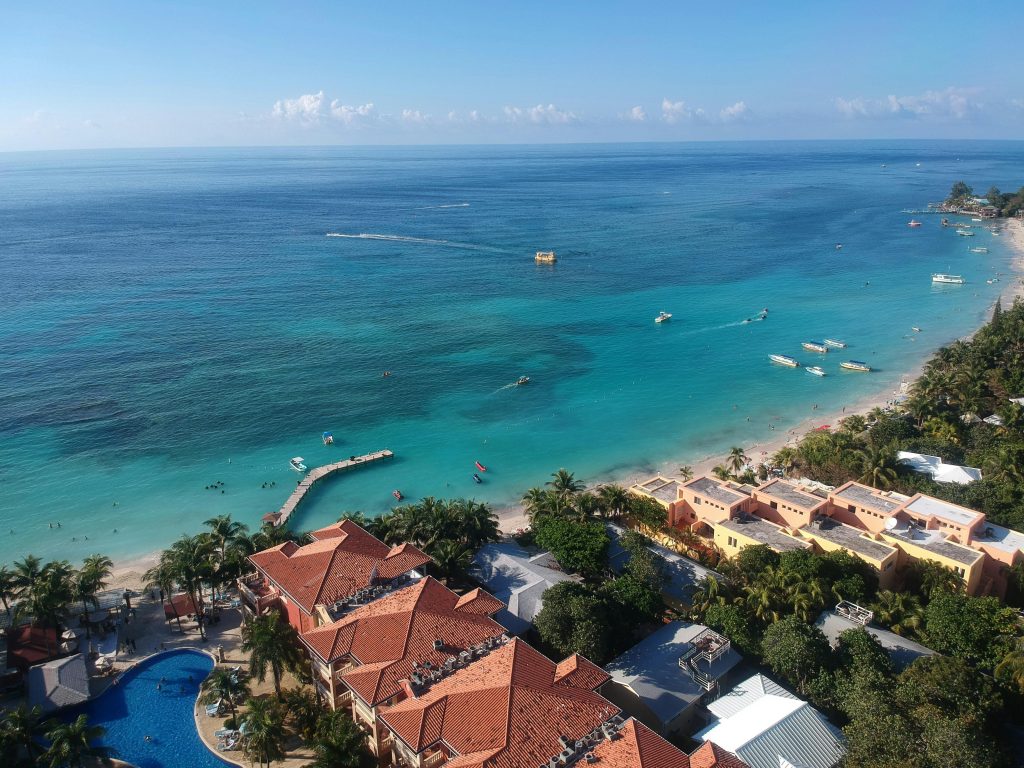
- Top destinations: Roatán, Copán Ruins, Utila, La Ceiba, Lake Yojoa.
- UNESCO sites: Copán Archaeological Site, Río Plátano Biosphere Reserve.
- Natural attractions: coral reefs, beaches, rainforest, waterfalls.
- Adventure tourism: scuba diving, snorkeling, ziplining, hiking.
- Visa: visa-free for many nationalities; others require pre-approval.
- Transportation: buses, taxis, ferries to Bay Islands, domestic flights.
Practical Information
- Safety: caution advised in certain regions; tourist areas generally safer.
- Healthcare: adequate private clinics in cities; limited rural services.
- Emergency numbers: 911 nationwide.
- Plug type: A/B; Voltage: 110V.
- Internet: good in urban areas; moderate elsewhere.
- Best time to visit: December–April.
- Budget: affordable for most travelers.
Sports, Entertainment & Notable People
- Popular sports: football, basketball, baseball.
- Notable athletes: Carlos Pavón, David Suazo, Maynor Figueroa.
- Musicians: Guillermo Anderson, Kazzabe.
- Writers: Froylán Turcios, Ramón Amaya Amador.
Neighboring Countries of Honduras
Honduras shares land borders with the following countries:
- 256 km with Guatemala
- 342 km with El Salvador
- 922 km with Nicaragua
Famous For
- Copán Maya ruins.
- Bay Islands (Roatán, Utila).
- Punta rock music.
- Beautiful Caribbean beaches.
- Rich biodiversity.
- Coffee and agricultural exports.
Sources
- World Bank
- United Nations (UN Data)
- IMF
- CIA World Factbook
- Honduras National Institute of Statistics
- Government of Honduras