Random Country Generator 🌎

East Timor
🏙️ Capital city:
Dili
📈 Country population:
1.4 million
🗺️ Country area:
14,874 km²
Core Facts / Infobox
Present this as a clean two-column table containing accurate and verified national facts. Include only fields with real data.
| Official Name | Democratic Republic of Timor-Leste |
| Common Name | East Timor |
| ISO Codes | TL, TLS, 626 |
| Internet TLD | .tl |
| Calling Code | +670 |
| Capital City | Dili |
| Largest City | Dili |
| Coordinates | 8.6° S, 125.6° E |
| Time Zone | UTC+9 |
| Population (2025 est.) | ~1.4 million |
| Area | 14,874 km² |
| Population Density | ~94 per km² |
| Languages | Tetum and Portuguese (official); Indonesian and English widely used |
| Currency | United States Dollar (USD) |
| Driving Side | Left |
| GDP (Nominal) | ~USD 3+ billion |
| GDP (PPP) | ~USD 6+ billion |
| GDP Per Capita | ~USD 2,000+ |
| GDP Growth | ~3–4% |
| HDI | 0.606 (Medium) |
| Literacy Rate | ~70% |
| Life Expectancy | ~70 years |
| Unemployment | ~10–12% |
| Inflation | ~3–4% |
| Leaders | President & Prime Minister (names omitted for longevity) |
| Continent & Subregion | Asia — Southeast Asia |
| National Day | 28 November (Independence) |
| National Sport | Football (soccer) |
| National Dish | Ikan Pepes |
| National Anthem | Pátria |
Geography & Environment
- East Timor is located on the eastern half of Timor Island in Southeast Asia, bordering Indonesia and the Timor Sea.
- Geography includes rugged mountains, tropical forests, fertile valleys, and coastal plains.
- Mount Ramelau is the highest peak, offering scenic views and spiritual significance.
- Climate: tropical with wet and dry seasons.
- Best time to visit: May–October.
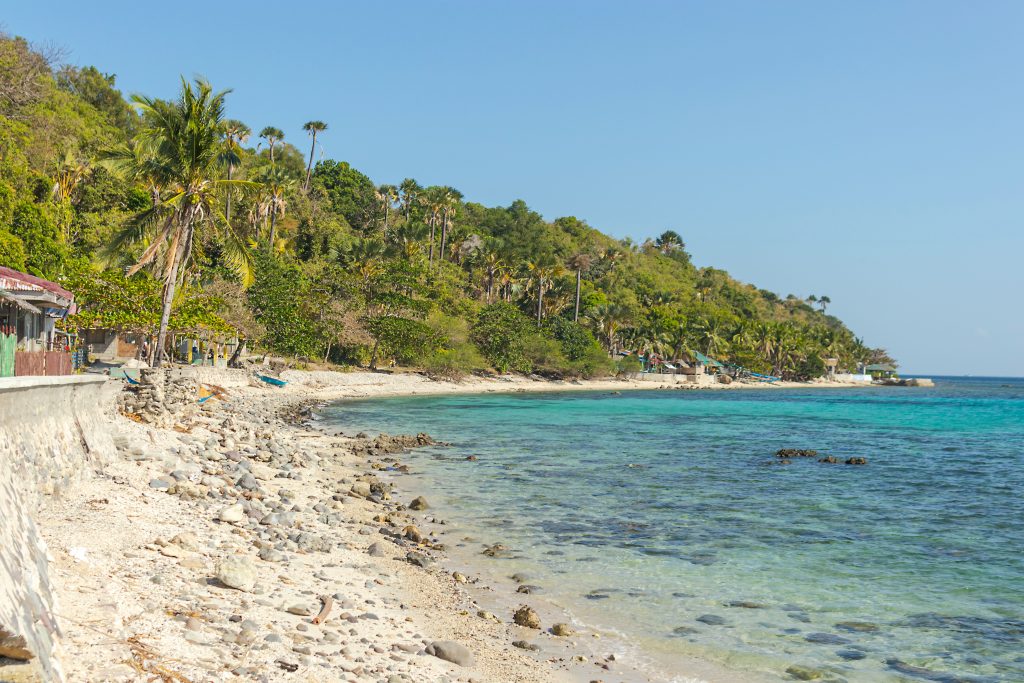
- Important natural areas: Nino Konis Santana National Park, Atauro Island marine biodiversity hotspots.
- Wildlife includes endemic birds, deer, crocodiles, and rich coral reef ecosystems.
- Environmental challenges: deforestation, soil erosion, climate vulnerability.
- Unique features: pristine coral reefs, Atauro Island diving sites, rugged mountain landscapes.
Demographics
- Total population: ~1.4 million.
- Median age: ~21 years (one of the youngest populations in Asia).
- Urban vs rural: ~30% urban, majority rural.
- Ethnic groups: Austronesian and Papuan groups dominate, with Tetum-speaking communities.
- Religions: Predominantly Roman Catholic (~97%).
- Literacy rate: ~70% and rising.
- Major cities: Dili, Baucau, Maliana, Suai, Lospalos.
History
- East Timor has been inhabited for thousands of years with Austronesian and Papuan roots.
- Became a Portuguese colony in the 16th century, remaining so for 400 years.
- Declared independence briefly in 1975 before Indonesian occupation began.
- A long struggle for independence led to a UN-sponsored referendum in 1999, where citizens overwhelmingly voted for freedom.
- Fully restored independence on 20 May 2002, becoming the first new sovereign state of the 21st century.
- Modern history includes reconstruction, nation-building, and democratic development.
Government & Politics
- Government type: Unitary semi-presidential republic.
- Executive: President (head of state) and Prime Minister (head of government).
- Legislature: unicameral National Parliament.
- Judiciary: Court of Appeal and lower courts.
- Administrative divisions: 13 municipalities.
- Political priorities include development, stability, and social welfare.
Economy
- Economy relies on petroleum revenues, agriculture, and international assistance.
- Major industries: oil & gas, agriculture, coffee production, fisheries, tourism.
- Main exports: coffee, petroleum products, handicrafts.
- Main imports: food products, machinery, fuel, consumer goods.
- Strengths: young workforce, natural resources, growing tourism sector.
- Weaknesses: dependence on oil, limited infrastructure, small domestic market.
- GDP sectors: Services (~40%), Industry (~34%), Agriculture (~26%).
- Development programs focus on education, healthcare, and economic diversification.
Culture & Society
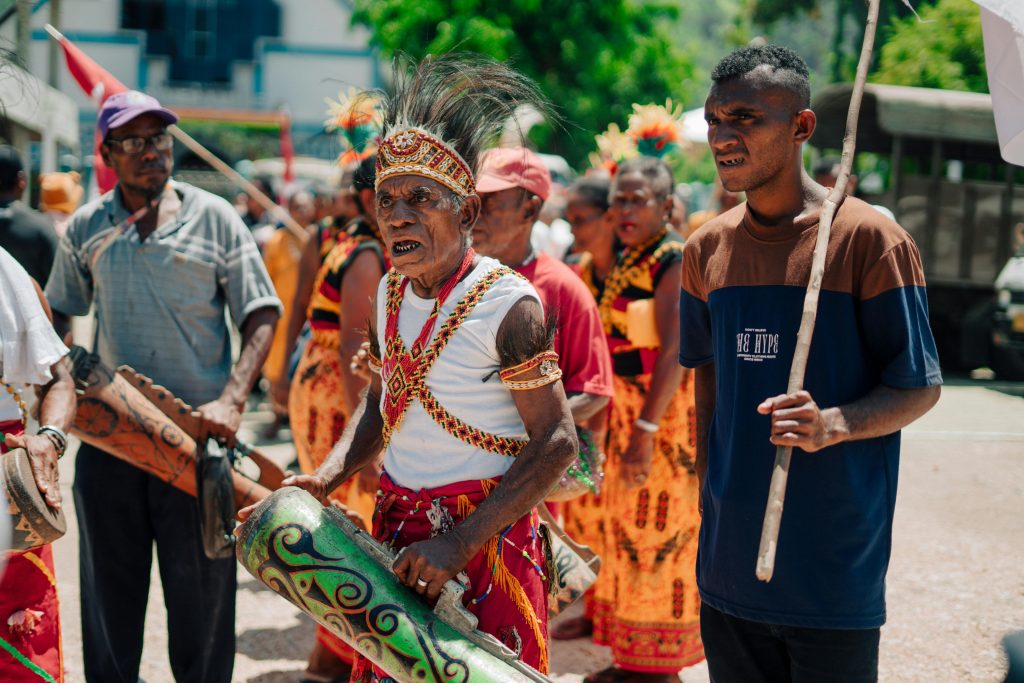
- Timorese culture blends Portuguese, Austronesian, and Indonesian influences.
- Traditional values emphasize family, community, and ancestral customs.
- Major festivals: Independence Day, Easter, Christmas, local harvest festivals.
- Traditional dress features colorful woven fabrics called tais.
- Arts: weaving, music, dance, wood carving.
- Languages: Tetum and Portuguese widely used; Indonesian and English commonly understood.
Food & Cuisine
- National dish: Ikan Pepes — seasoned fish wrapped in banana leaves.
- Popular dishes: Batar Da’an (corn stew), Koto, Tukar, Bibinka (rice cake).
- Street foods: grilled fish, fried snacks, satay.
- Desserts: coconut cakes, rice sweets.
- Beverages: coffee (one of the country’s major exports), tea, local palm wine.
- Cuisine features tropical ingredients, rice, maize, and fresh seafood.
Education & Institutions
- Education system improving rapidly since independence.
- Medium of instruction: Tetum and Portuguese.
- Literacy rate: ~70%.
- Top institutions: National University of Timor-Leste, Dili Institute of Technology, UNTL faculties.
- Key fields: education, agriculture, public health, development studies.
Tourism
- Top attractions: Dili waterfront, Cristo Rei statue, Atauro Island, Baucau colonial architecture.
- Natural attractions: coral reefs, mountains, waterfalls, tropical forests.
- Historical sites: Portuguese-era buildings, resistance museums.
- Adventure tourism: diving, trekking, snorkeling, mountain hiking.
- Visa: visa-on-arrival available for most travelers.
- Transportation: taxis, minibuses, motorcycles; limited intercity infrastructure.
Practical Information
- Safety: generally safe, with standard travel precautions.
- Healthcare: improving; best facilities located in Dili.
- Emergency numbers: Police 112, Ambulance 115.
- Plug type: C & F; Voltage: 220V.
- Internet: available in urban areas; slower in rural areas.
- Best time to visit: May–October.
- Budget: moderate; accommodation varies by region.
Sports, Entertainment & Notable People
- National sport: football.
- Popular sports: martial arts, athletics, cycling.
- Timor-Leste competes in Southeast Asian Games and international events.
- Notable public figures include independence leaders, artists, and athletes.
Neighboring Countries of Timor-Leste
Timor-Leste shares a land border with the following country:
- 228 km with Indonesia
Famous For
- Struggle for independence.
- Atauro Island diving paradise.
- Rich coffee production.
- Unique blend of Portuguese and Southeast Asian culture.
- Mountain landscapes and remote natural beauty.
- Warm, welcoming local communities.
Sources
- World Bank
- United Nations (UN Data)
- IMF
- CIA World Factbook
- Timor-Leste General Directorate of Statistics
- Official Government Publications
Core Facts / Infobox
Present this as a clean two-column table containing accurate and verified national facts. Include only fields with real data.
| Official Name | Democratic Republic of Timor-Leste |
| Common Name | East Timor |
| ISO Codes | TL, TLS, 626 |
| Internet TLD | .tl |
| Calling Code | +670 |
| Capital City | Dili |
| Largest City | Dili |
| Coordinates | 8.6° S, 125.6° E |
| Time Zone | UTC+9 |
| Population (2025 est.) | ~1.4 million |
| Area | 14,874 km² |
| Population Density | ~94 per km² |
| Languages | Tetum and Portuguese (official); Indonesian and English widely used |
| Currency | United States Dollar (USD) |
| Driving Side | Left |
| GDP (Nominal) | ~USD 3+ billion |
| GDP (PPP) | ~USD 6+ billion |
| GDP Per Capita | ~USD 2,000+ |
| GDP Growth | ~3–4% |
| HDI | 0.606 (Medium) |
| Literacy Rate | ~70% |
| Life Expectancy | ~70 years |
| Unemployment | ~10–12% |
| Inflation | ~3–4% |
| Leaders | President & Prime Minister (names omitted for longevity) |
| Continent & Subregion | Asia — Southeast Asia |
| National Day | 28 November (Independence) |
| National Sport | Football (soccer) |
| National Dish | Ikan Pepes |
| National Anthem | Pátria |
Geography & Environment
- East Timor is located on the eastern half of Timor Island in Southeast Asia, bordering Indonesia and the Timor Sea.
- Geography includes rugged mountains, tropical forests, fertile valleys, and coastal plains.
- Mount Ramelau is the highest peak, offering scenic views and spiritual significance.
- Climate: tropical with wet and dry seasons.
- Best time to visit: May–October.
- Important natural areas: Nino Konis Santana National Park, Atauro Island marine biodiversity hotspots.
- Wildlife includes endemic birds, deer, crocodiles, and rich coral reef ecosystems.
- Environmental challenges: deforestation, soil erosion, climate vulnerability.
- Unique features: pristine coral reefs, Atauro Island diving sites, rugged mountain landscapes.
Demographics
- Total population: ~1.4 million.
- Median age: ~21 years (one of the youngest populations in Asia).
- Urban vs rural: ~30% urban, majority rural.
- Ethnic groups: Austronesian and Papuan groups dominate, with Tetum-speaking communities.
- Religions: Predominantly Roman Catholic (~97%).
- Literacy rate: ~70% and rising.
- Major cities: Dili, Baucau, Maliana, Suai, Lospalos.
History
- East Timor has been inhabited for thousands of years with Austronesian and Papuan roots.
- Became a Portuguese colony in the 16th century, remaining so for 400 years.
- Declared independence briefly in 1975 before Indonesian occupation began.
- A long struggle for independence led to a UN-sponsored referendum in 1999, where citizens overwhelmingly voted for freedom.
- Fully restored independence on 20 May 2002, becoming the first new sovereign state of the 21st century.
- Modern history includes reconstruction, nation-building, and democratic development.
Government & Politics
- Government type: Unitary semi-presidential republic.
- Executive: President (head of state) and Prime Minister (head of government).
- Legislature: unicameral National Parliament.
- Judiciary: Court of Appeal and lower courts.
- Administrative divisions: 13 municipalities.
- Political priorities include development, stability, and social welfare.
Economy
- Economy relies on petroleum revenues, agriculture, and international assistance.
- Major industries: oil & gas, agriculture, coffee production, fisheries, tourism.
- Main exports: coffee, petroleum products, handicrafts.
- Main imports: food products, machinery, fuel, consumer goods.
- Strengths: young workforce, natural resources, growing tourism sector.
- Weaknesses: dependence on oil, limited infrastructure, small domestic market.
- GDP sectors: Services (~40%), Industry (~34%), Agriculture (~26%).
- Development programs focus on education, healthcare, and economic diversification.
Culture & Society
- Timorese culture blends Portuguese, Austronesian, and Indonesian influences.
- Traditional values emphasize family, community, and ancestral customs.
- Major festivals: Independence Day, Easter, Christmas, local harvest festivals.
- Traditional dress features colorful woven fabrics called tais.
- Arts: weaving, music, dance, wood carving.
- Languages: Tetum and Portuguese widely used; Indonesian and English commonly understood.
Food & Cuisine
- National dish: Ikan Pepes — seasoned fish wrapped in banana leaves.
- Popular dishes: Batar Da’an (corn stew), Koto, Tukar, Bibinka (rice cake).
- Street foods: grilled fish, fried snacks, satay.
- Desserts: coconut cakes, rice sweets.
- Beverages: coffee (one of the country’s major exports), tea, local palm wine.
- Cuisine features tropical ingredients, rice, maize, and fresh seafood.
Education & Institutions
- Education system improving rapidly since independence.
- Medium of instruction: Tetum and Portuguese.
- Literacy rate: ~70%.
- Top institutions: National University of Timor-Leste, Dili Institute of Technology, UNTL faculties.
- Key fields: education, agriculture, public health, development studies.
Tourism
- Top attractions: Dili waterfront, Cristo Rei statue, Atauro Island, Baucau colonial architecture.
- Natural attractions: coral reefs, mountains, waterfalls, tropical forests.
- Historical sites: Portuguese-era buildings, resistance museums.
- Adventure tourism: diving, trekking, snorkeling, mountain hiking.
- Visa: visa-on-arrival available for most travelers.
- Transportation: taxis, minibuses, motorcycles; limited intercity infrastructure.
Practical Information
- Safety: generally safe, with standard travel precautions.
- Healthcare: improving; best facilities located in Dili.
- Emergency numbers: Police 112, Ambulance 115.
- Plug type: C & F; Voltage: 220V.
- Internet: available in urban areas; slower in rural areas.
- Best time to visit: May–October.
- Budget: moderate; accommodation varies by region.
Sports, Entertainment & Notable People
- National sport: football.
- Popular sports: martial arts, athletics, cycling.
- Timor-Leste competes in Southeast Asian Games and international events.
- Notable public figures include independence leaders, artists, and athletes.
Neighboring Countries of Timor-Leste
Timor-Leste shares a land border with the following country:
- 228 km with Indonesia
Famous For
- Struggle for independence.
- Atauro Island diving paradise.
- Rich coffee production.
- Unique blend of Portuguese and Southeast Asian culture.
- Mountain landscapes and remote natural beauty.
- Warm, welcoming local communities.
Sources
- World Bank
- United Nations (UN Data)
- IMF
- CIA World Factbook
- Timor-Leste General Directorate of Statistics
- Official Government Publications