Random Country Generator 🌎

Dominican Republic
🏙️ Capital city:
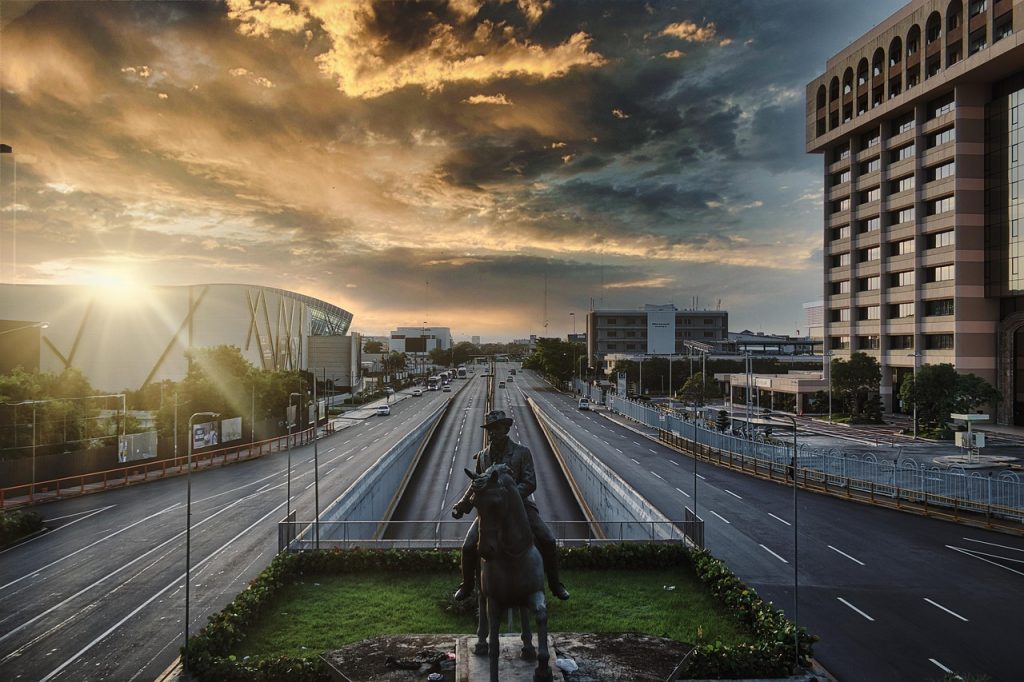
Santo Domingo
📈 Country population:
11.4 million
🗺️ Country area:
48,671 km²
Core Facts / Infobox
Present this as a clean two-column table containing accurate and verified national facts. Include only fields with real data.
| Official Name | Dominican Republic |
| Common Name | Dominican Republic |
| ISO Codes | DO, DOM, 214 |
| Internet TLD | .do |
| Calling Code | +1 809 / +1 829 / +1 849 |
| Capital City | Santo Domingo |
| Largest City | Santo Domingo |
| Coordinates | 18.5° N, 69.9° W |
| Time Zone | UTC−4 |
| Population (2025 est.) | ~11.4 million |
| Area | 48,671 km² |
| Population Density | ~235 per km² |
| Languages | Spanish |
| Currency | Dominican Peso (DOP) |
| Driving Side | Right |
| GDP (Nominal) | ~USD 140 billion |
| GDP (PPP) | ~USD 250 billion |
| GDP Per Capita | ~USD 12,000 (PPP ~21,000) |
| GDP Growth | ~4–5% (one of the fastest in the region) |
| HDI | 0.756 (High) |
| Literacy Rate | ~94% |
| Life Expectancy | ~74 years |
| Unemployment | ~6–7% |
| Inflation | ~4–5% |
| Leaders | President; Vice President |
| Continent & Subregion | North America — Caribbean |
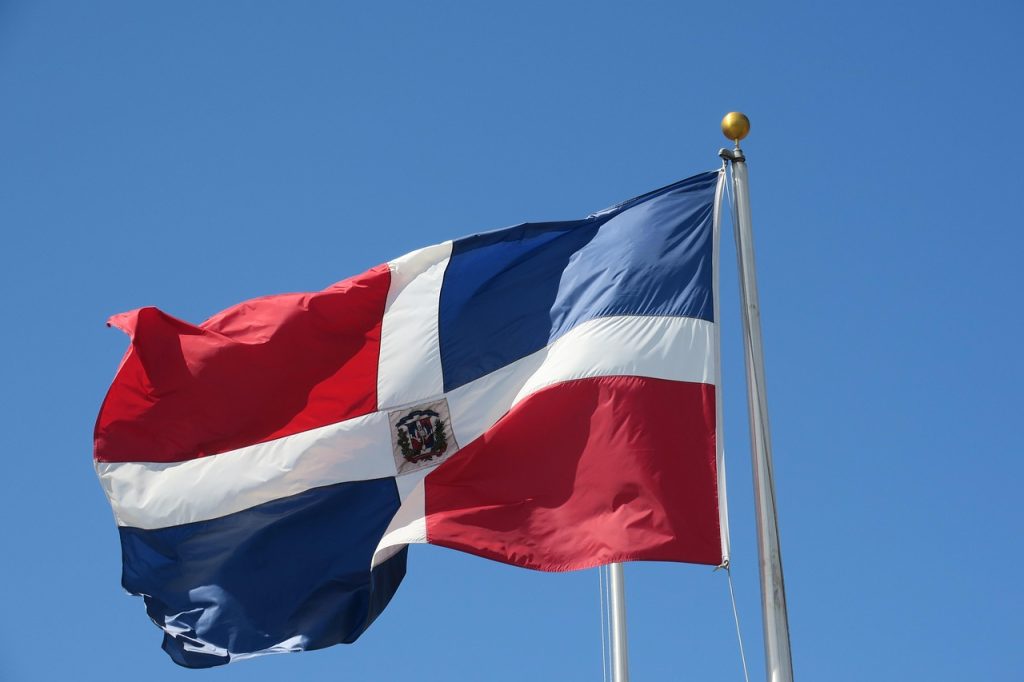
| National Day | February 27 (Independence Day) |
| National Sport | Baseball |
| National Dish | La Bandera Dominicana |
| National Anthem | Himno Nacional |
Geography & Environment
- Located on the island of Hispaniola, sharing a border with Haiti to the west.
- Faces the Caribbean Sea to the south and the Atlantic Ocean to the north.
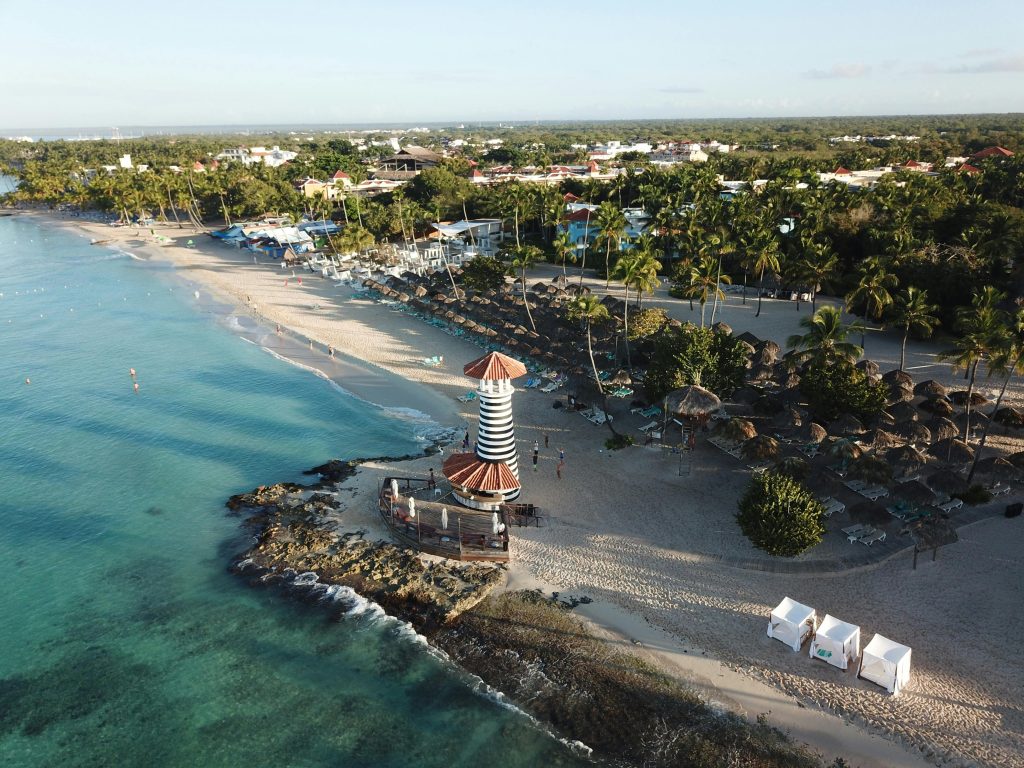
- Geography includes lush valleys, white-sand beaches, high mountains, and fertile plains.
- Home to Pico Duarte, the highest peak in the Caribbean.
- Climate: tropical with warm temperatures year-round.
- Best time to visit: December–April.
- National parks: Parque Nacional del Este, Jaragua National Park, Armando Bermúdez.
- Rich biodiversity including iguanas, humpback whales, tropical birds, and coral reefs.
- Environmental issues: deforestation, hurricanes, coastal erosion, water scarcity.
Demographics
- Population ~11.4 million.
- Median age ~28 years.
- Ethnic groups: mixed (majority), African descent, European descent.
- Religion: predominantly Roman Catholic, with growing Protestant communities.
- Urban population ~83%.
- Major cities: Santo Domingo, Santiago de los Caballeros, La Romana, San Pedro de Macorís.
History
- Originally inhabited by the Taíno people.
- Site of Christopher Columbus’ first permanent settlement in the Americas (1493).
- Spanish colony for centuries, with brief French and Haitian rule.
- Declared independence on February 27, 1844.
- U.S. occupation occurred from 1916–1924.
- Modern history includes the Trujillo dictatorship (1930–1961) and democratization afterward.
Government & Politics
- Unitary presidential republic.
- Executive: President (head of state and government).
- Legislature: bicameral National Congress.
- Judiciary: Supreme Court of Justice.
- Administrative divisions: 31 provinces and 1 National District.
- Key political issues: corruption, public security, economic inequality.
Economy
- One of the fastest-growing economies in Latin America.
- Major industries: tourism, mining, manufacturing, agriculture, telecommunications.
- Main exports: gold, tobacco, sugar, coffee, textiles, medical instruments.
- Main imports: fuel, machinery, vehicles, food products.
- Strengths: strong tourism sector, stable growth, free-trade zones.
- Weaknesses: inequality, hurricane vulnerability, dependence on tourism.
- GDP sectors: Services (~63%), Industry (~32%), Agriculture (~5%).
Culture & Society
- Blend of Spanish, African, and Taíno cultural influences.
- Music styles include merengue and bachata (both globally recognized).
- Major festivals: Carnival, Merengue Festival, Independence Day celebrations.
- Traditional attire includes bright, colorful dresses and folkloric costumes.
- Languages: Spanish (official); Dominican Spanish has unique pronunciations and slang.
- Strong emphasis on family, community, and social gatherings.
Food & Cuisine
- National dish: La Bandera Dominicana — rice, beans, and stewed meat.
- Other iconic dishes: Mangú, Sancocho, Mofongo, Pollo Guisado.
- Street foods: empanadas, chimichurris (Dominican burgers), yaniqueques.
- Beverages: Presidente beer, mamajuana, morir soñando (milk & orange drink).
Education & Institutions
- Medium of instruction: Spanish.
- Literacy rate: ~94%.
- Top universities: Universidad Autónoma de Santo Domingo (oldest in the Americas), INTEC, Pontificia Universidad Católica Madre y Maestra.
- Popular fields: medicine, engineering, business, humanities.
Tourism
- Top destinations: Punta Cana, Santo Domingo, Puerto Plata, Samaná, La Romana.
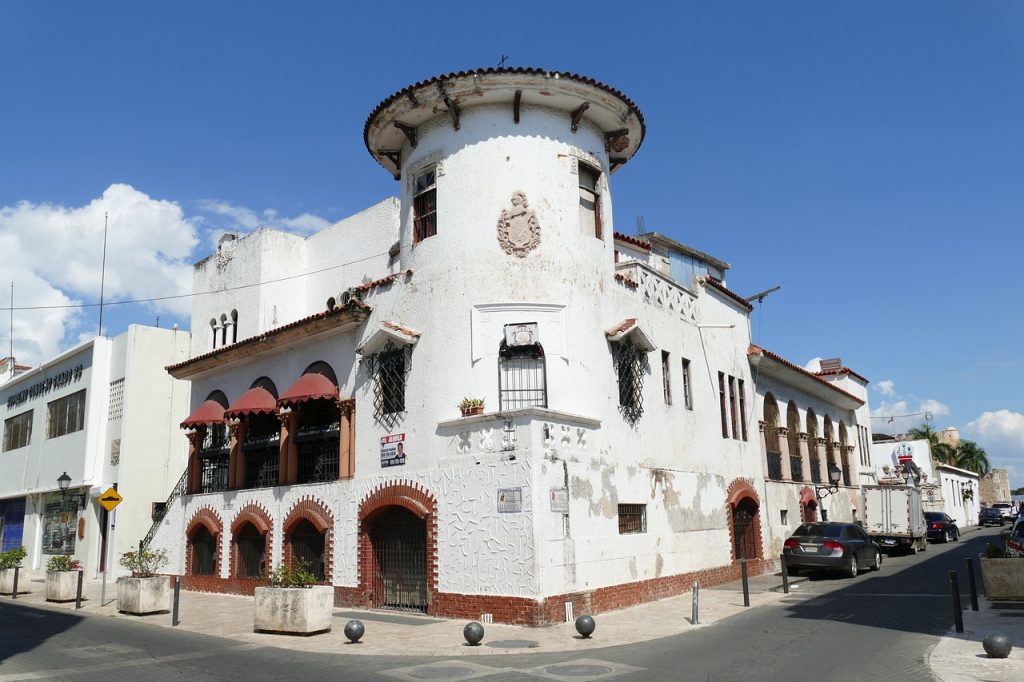
- UNESCO sites: Colonial City of Santo Domingo (first European city in the Americas).
- Natural attractions: beaches, waterfalls, mountains, whale-watching (Samaná Bay).
- Adventure tourism: ziplining, kitesurfing, diving, hiking Pico Duarte.
- Visa: visa-free for many nationalities; others require an entry permit.
- Transportation: good highway network, domestic flights, taxis, guaguas (local buses).
Practical Information
- Generally safe in tourist areas; caution needed in some urban regions.
- Healthcare: reliable private clinics in major cities.
- Emergency numbers: 911 nationwide.
- Plug type: A/B; Voltage: 110V.
- Internet: widely available; good in urban zones.
- Best time to visit: December–April.
- Budget: moderate; all-inclusive resorts widely available.
Sports, Entertainment & Notable People
- National sport: baseball.
- World-famous baseball players: David Ortiz, Albert Pujols, Pedro Martínez.
- Musicians: Juan Luis Guerra, Romeo Santos, Aventura.
- Writers: Junot Díaz, Julia Alvarez.
- Athletic achievements include producing many MLB stars.
Neighboring Countries of Haiti
Haiti shares land borders with the following country:
- 360 km with Dominican Republic
Famous For
- Beautiful Caribbean beaches.
- Merengue and bachata music.
- Punta Cana resorts.
- Historic Santo Domingo.
- Baseball culture.
- Mountain landscapes and waterfalls.
Sources
- World Bank
- United Nations (UN Data)
- IMF
- CIA World Factbook
- Dominican Republic National Statistics Office
- Government of the Dominican Republic