Random Country Generator 🌎
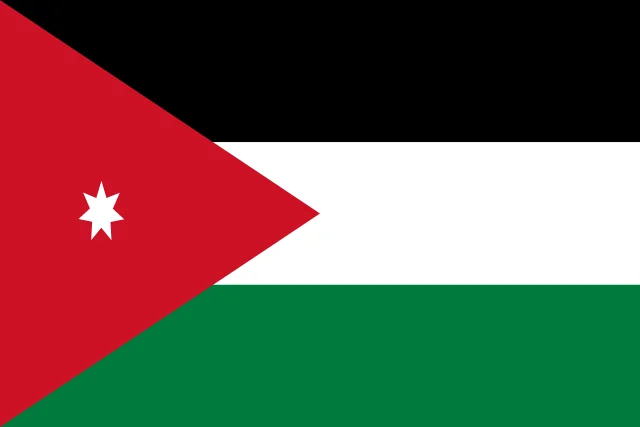
Jordan
🏙️ Capital city:
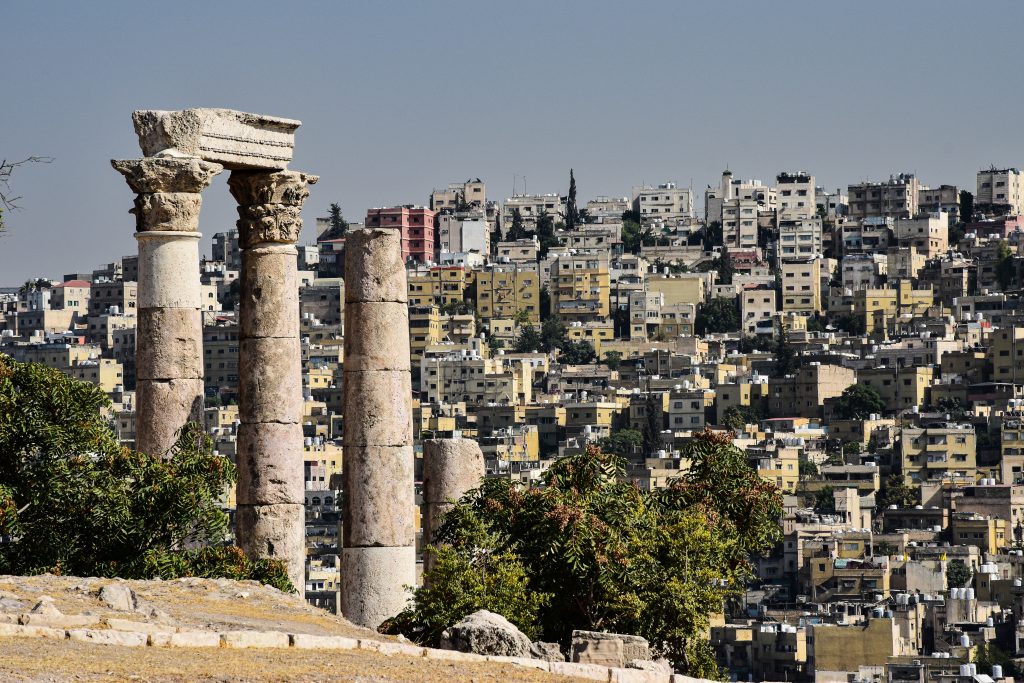
Amman
📈 Country population:
11 million
🗺️ Country area:
89,342 km²
Core Facts / Infobox
Present this as a clean two-column table containing accurate and verified national facts. Include only fields with real data.
| Official Name | Hashemite Kingdom of Jordan |
| Common Name | Jordan |
| ISO Codes | JO, JOR, 400 |
| Internet TLD | .jo |
| Calling Code | +962 |
| Capital City | Amman |
| Largest City | Amman |
| Coordinates | 31.9° N, 36.0° E |
| Time Zone | UTC+3 |
| Population (2025 est.) | ~11 million |
| Area | 89,342 km² |
| Population Density | ~120 per km² |
| Languages | Arabic (official) |
| Currency | Jordanian Dinar (JOD) |
| Driving Side | Right |
| GDP (Nominal) | ~USD 52+ billion |
| GDP (PPP) | ~USD 115+ billion |
| GDP Per Capita | ~USD 4,500+ |
| GDP Growth | ~2–3% |
| HDI | 0.729 (High) |
| Literacy Rate | ~98% |
| Life Expectancy | ~75 years |
| Unemployment | ~22% |
| Inflation | ~3–4% |
| Leaders | King & Prime Minister (names omitted for longevity) |
| Continent & Subregion | Asia — Middle East (Levant) |
| National Day | 25 May (Independence Day) |
| National Sport | Football (soccer) |
| National Dish | Mansaf |
| National Anthem | As-salam al-malaki al-urduni |
Geography & Environment
- Jordan is located in the Middle East, bordered by Saudi Arabia, Iraq, Syria, Israel, and Palestine.
- Landscapes include deserts, fertile valleys, mountains, and the Dead Sea — the lowest point on Earth.
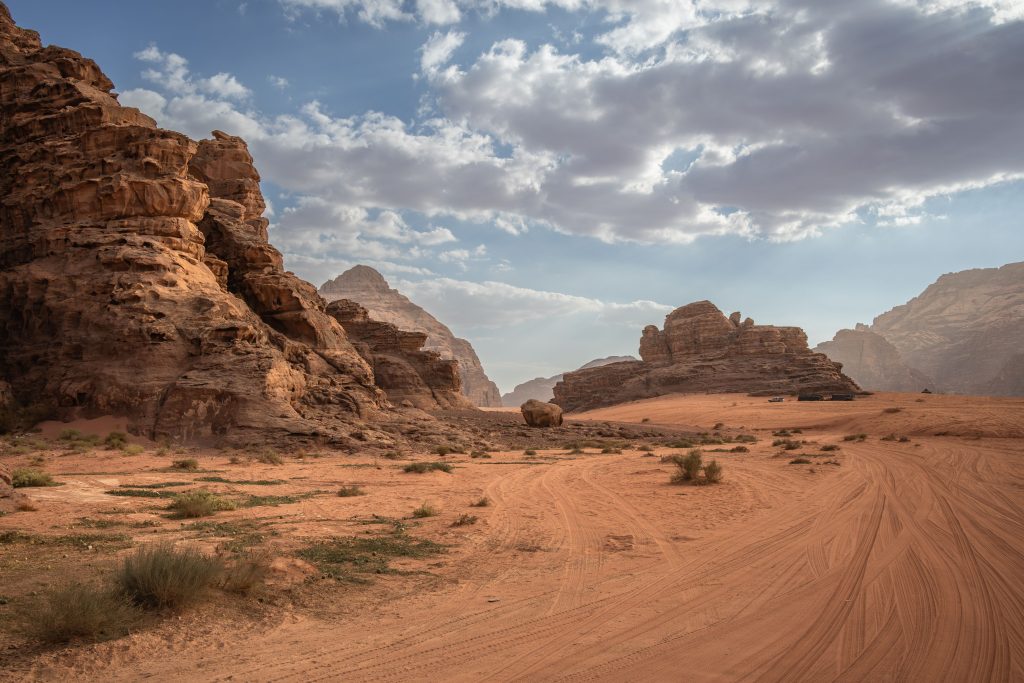
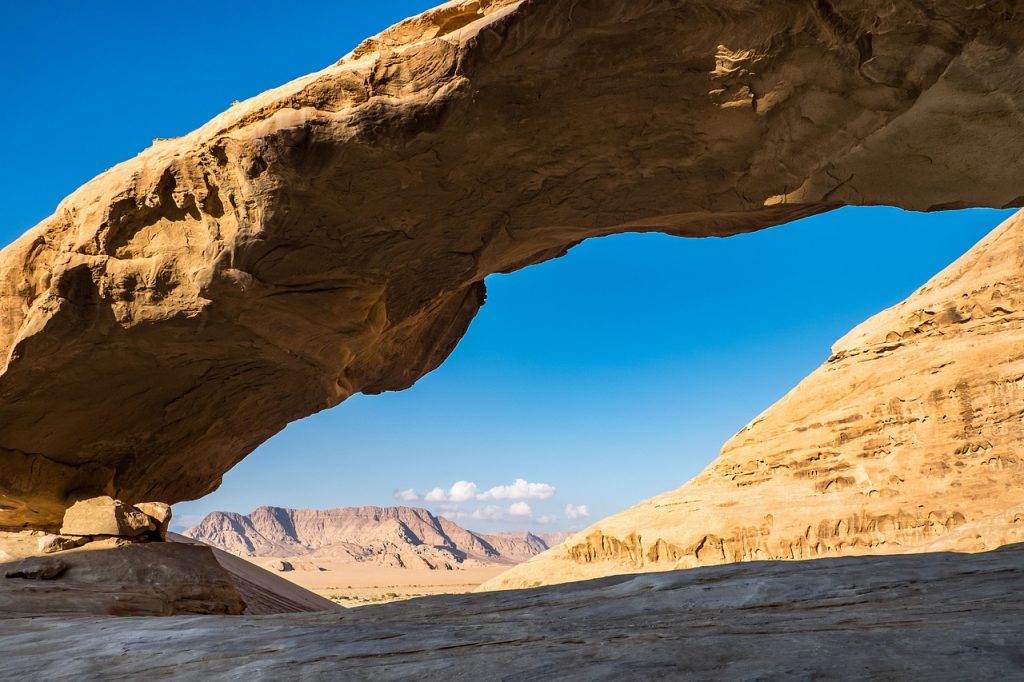
- The Jordan Valley and Wadi Rum desert are iconic natural sites.
- Climate: mostly arid with Mediterranean influences in the northwest.
- Best time to visit: spring (March–May) and autumn (September–November).
- Important national parks: Dana Biosphere Reserve, Mujib Biosphere Reserve, Shaumari Wildlife Reserve.
- Wildlife includes gazelles, ibex, wolves, foxes, desert reptiles, and migratory birds.
- Environmental concerns: water scarcity, desertification, population pressures.
- Unique features: Petra, Dead Sea, Red Sea coastline in Aqaba, Wadi Rum.
Demographics
- Total population: ~11 million.
- Median age: ~24 years.
- Urban population: ~91%.
- Ethnic groups: Arab majority, with Circassian and Armenian minorities.
- Religions: Islam (majority Sunni), Christian minority.
- Literacy rate: ~98%.
- Major cities: Amman, Zarqa, Irbid, Aqaba, Russeifa.
History
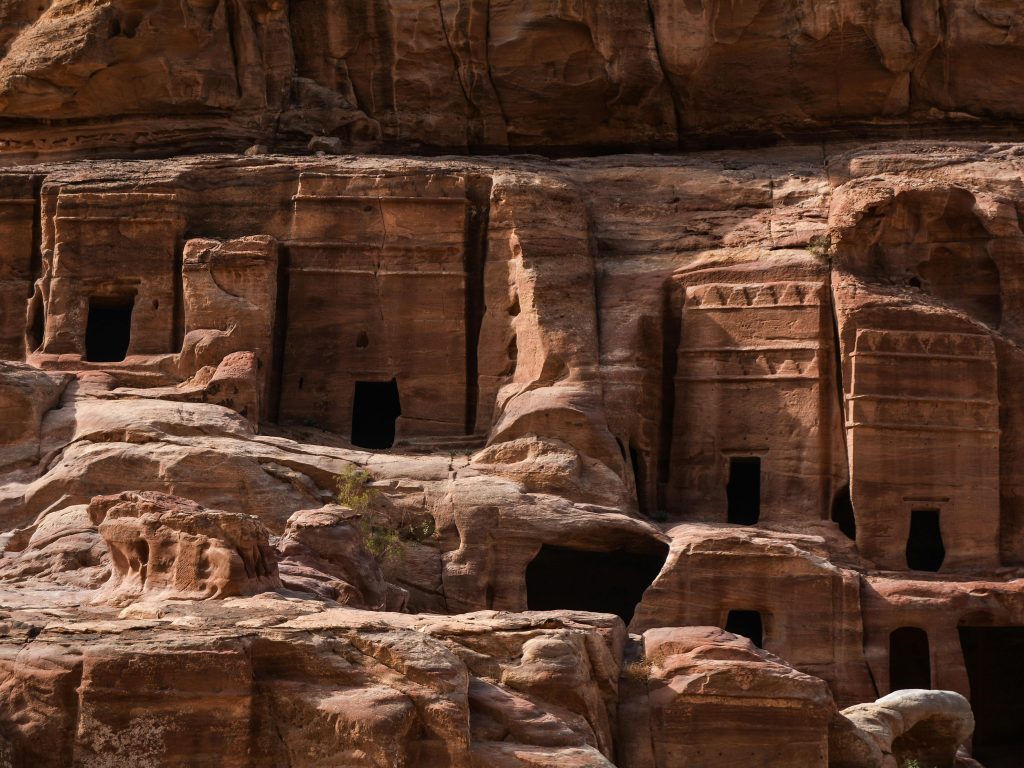
- Home to ancient civilizations including the Nabateans, whose capital Petra remains world-famous.
- Later ruled by Romans, Byzantines, and Islamic caliphates.
- Under Ottoman control for centuries until World War I.
- The Emirate of Transjordan was founded in 1921 under British mandate.
- Jordan gained full independence on 25 May 1946.
- Modern history includes peace efforts, economic reforms, and hosting millions of refugees.
Government & Politics
- Jordan is a constitutional monarchy.
- Executive power: King and Prime Minister.
- Legislature: bicameral National Assembly (Senate and House of Representatives).
- Judiciary: independent courts including the Constitutional Court.
- Administrative divisions: 12 governorates.
- Political priorities include stability, economic growth, and regional diplomacy.
Economy
- Jordan has a diversified economy but limited natural resources.
- Key industries: tourism, pharmaceuticals, mining (phosphate, potash), services, ICT.
- Main exports: pharmaceuticals, fertilizers, clothing, minerals.
- Main imports: fuel, machinery, food, vehicles.
- Strengths: skilled workforce, stability, strategic location.
- Weaknesses: unemployment, energy dependence, water scarcity.
- GDP by sector: Services (~65%), Industry (~30%), Agriculture (~5%).
- Tourism — particularly Petra and the Dead Sea — plays a major economic role.
Culture & Society
- Jordanian society emphasizes hospitality, respect, and strong family ties.
- Important festivals: Ramadan, Eid al-Fitr, Eid al-Adha, Independence Day.
- Traditional clothing includes the Thobe and embroidered dresses; Bedouin dress remains iconic.
- Cultural arts: Arabic calligraphy, Dabke dance, Bedouin music, pottery, weaving.
- Languages: Arabic (official); English widely spoken.
Food & Cuisine
- National dish: Mansaf — lamb cooked in jameed yogurt sauce and served with rice.
- Iconic foods: Maqluba, Falafel, Kebabs, Makmoura.
- Street foods: shawarma, falafel sandwiches, kunafa.
- Desserts: baklava, kunafa, hareeseh.
- Beverages: mint tea, Arabic coffee, laban (yogurt drink).
- Cuisine known for rich spices and Bedouin influences.
Education & Institutions
- Jordan has a strong education sector and is known for producing skilled professionals.
- Medium of instruction: Arabic; English used heavily in universities.
- Literacy rate: ~98%.
- Top universities: University of Jordan, Jordan University of Science and Technology, Yarmouk University.
- Strong fields: medicine, engineering, IT, business.
Tourism
- Top destinations: Petra, Wadi Rum, Dead Sea, Jerash, Aqaba, Mount Nebo.
- UNESCO sites: Petra, Wadi Rum, Quseir Amra.
- Natural attractions: deserts, canyons, Red Sea coral reefs.
- Historical sites: Roman theaters, Crusader castles, biblical landmarks.
- Adventure tourism: hiking, camel safaris, rock climbing, desert camping.
- Visa: visa-on-arrival for many citizens; Jordan Pass available.
- Transport: buses, taxis, Uber/Careem, domestic flights.
Practical Information
- Safety: generally safe and stable.
- Healthcare: good in major urban centers.
- Emergency numbers: 911 (police, ambulance, fire).
- Plug type: C, F, G; Voltage: 230V.
- Internet: widely available; good mobile coverage.
- Best time to visit: spring and autumn.
- Budget: moderate; Petra entry is the largest expense.
Sports, Entertainment & Notable People
- National sport: Football.
- Popular sports: basketball, taekwondo, motorsports.
- Jordan has produced world-class taekwondo athletes.
- Well-known figures include musicians, artists, poets, and humanitarian leaders.
Neighboring Countries of Jordan
Jordan shares land borders with the following countries and territories:
- 181 km with Iraq
- 238 km with Israel
- 744 km with Saudi Arabia
- 375 km with Syria
- 97 km with West Bank (State of Palestine)
Famous For
- Petra — one of the New Seven Wonders of the World.
- Dead Sea — lowest point on Earth.
- Wadi Rum desert landscapes.
- Bedouin hospitality and culture.
- Ancient Roman ruins in Jerash.
- Red Sea corals in Aqaba.
- Mansaf — famous national dish.
Sources
- World Bank
- United Nations (UN Data)
- IMF
- CIA World Factbook
- Jordan Department of Statis