
Random Country Generator 🌎
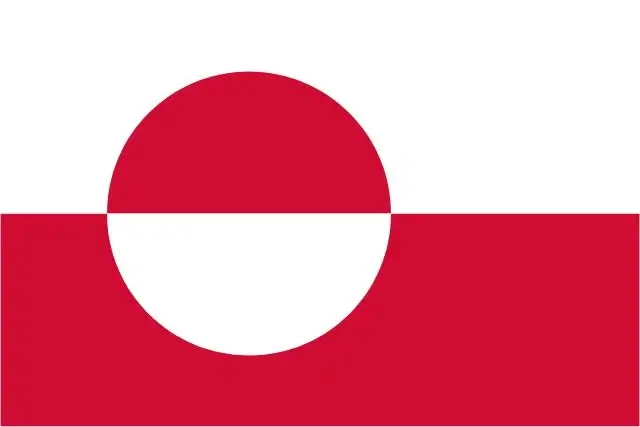
Greenland
🏙️ Capital city:
Nuuk
📈 Country population:
57,000
🗺️ Country area:
2,166,086 km²
Core Facts / Infobox
Present this as a clean two-column table containing accurate and verified national facts. Include only fields with real data.
| Official Name | Greenland (Kalaallit Nunaat) |
| Common Name | Greenland |
| Political Status | Autonomous Territory within the Kingdom of Denmark |
| ISO Codes | GL, GRL, 304 |
| Internet TLD | .gl |
| Calling Code | +299 |
| Capital City | Nuuk |
| Largest City | Nuuk |
| Coordinates | 64.18° N, 51.72° W |
| Time Zones | UTC−4 to UTC−1 (varies by region) |
| Population (2025 est.) | ~57,000 |
| Area | 2,166,086 km² |
| Population Density | ~0.03 per km² |
| Languages | Greenlandic (Kalaallisut), Danish, English |
| Currency | Danish Krone (DKK) |
| Driving Side | Right |
| GDP (Nominal) | ~USD 3.0 billion |
| GDP Per Capita | ~USD 50,000 |
| Life Expectancy | ~72 years |
| HDI | 0.811 (Very High) |
| Continent & Subregion | North America — Arctic Region |
| National Day | June 21 (Greenland National Day) |
| National Sport | Football & Handball |
| National Dish | Suaasat (traditional soup) |
| National Anthem | Nunarput, utoqqarsuanngoravit |
Geography & Environment
- Greenland is the world’s largest island, located between the Arctic and Atlantic Oceans, east of Canada and northwest of Iceland.
- Over 80% of the land is covered by the Greenland Ice Sheet.
- Famous geographical features include fjords, glaciers, icebergs, Arctic tundra, and polar coastlines.
- Climate: Arctic and subarctic; long, cold winters and short cool summers.
- Best time to visit: June–September for warmer weather; winter for Northern Lights.
- Major natural sites: Ilulissat Icefjord (UNESCO), Scoresby Sound, Disko Bay, Northeast Greenland National Park (world’s largest).
- Wildlife: polar bears, musk oxen, arctic foxes, whales, seals, seabirds.
- Environmental challenges: climate change, glacial melting, coastal erosion, wildlife habitat shifts.
Demographics
- Population: ~57,000, making it one of the least densely populated places on Earth.
- Median age: ~35 years.
- Urban population concentrated in coastal towns; interior uninhabited.
- Main ethnic groups: Inuit (majority), Danish.
- Religions: Christianity (mainly Lutheran).
- Main cities: Nuuk, Sisimiut, Ilulissat, Qaqortoq, Aasiaat.
History
- Originally inhabited by Paleo-Inuit cultures over 4,500 years ago.
- Norse settlements founded by Erik the Red around 985 AD.
- Came under Danish rule in the 18th century.
- Granted home rule in 1979 and further self-government in 2009.
- Modern era involves discussions on economic development and increased autonomy.
Government & Politics
- Autonomous territory within the Kingdom of Denmark.
- Head of State: King of Denmark.
- Head of Government: Premier of Greenland.
- Legislature: Inatsisartut (Greenlandic Parliament).
- Administrative divisions: 5 municipalities — Sermersooq, Kujalleq, Qeqertalik, Qeqqata, Avannaata.
- Key issues: independence movement, resource exploration, climate policy.
Economy
- Major industries: fishing, hunting, tourism, mining, public sector.
- Main exports: fish (halibut, cod, shrimp), minerals, sealskin.
- Main imports: food, machinery, fuel, manufactured goods.
- Strengths: rich natural resources, abundant fisheries, rapidly growing tourism.
- Weaknesses: geographic isolation, reliance on Danish subsidies, limited infrastructure.
- GDP sectors: Services (~70%), Industry (~20%), Agriculture & fishing (~10%).
Culture & Society
- Culture is deeply influenced by Inuit traditions, Danish influences, and Arctic lifestyle.
- Major festivals: National Day (June 21), Nuuk Snow Festival, cultural drum dancing events.
- Traditional arts: carving, mask making, drum dancing, seal skin crafts.
- Music: throat singing, folk music, modern Greenlandic rock.
- Languages: Greenlandic is the primary language and cultural identity marker.
Food & Cuisine
- National dish: Suaasat — hearty soup made with seal, whale, or reindeer meat.
- Popular foods: reindeer, musk ox, seal, whale meat, berries, fish dishes.
- Street foods: fish soup, smoked fish, Arctic shrimp sandwiches.
- Beverages: Greenlandic coffee, herbal teas.
Education & Institutions
- Medium of instruction: Greenlandic and Danish; English widely taught.
- High literacy rate.
- Key institutions: University of Greenland (Ilisimatusarfik) in Nuuk.
- Specialties: Arctic studies, fisheries science, geology, anthropology.
Tourism
- Top attractions: Ilulissat Icefjord, Disko Bay, Nuuk cultural sites, Kangerlussuaq glaciers, East Greenland fjords.
- Natural attractions: Northern Lights, midnight sun, glaciers, icebergs, hot springs.
- Adventure tourism: dog sledding, whale watching, hiking, kayaking, glacier trekking.
- Visa: Follows Schengen visa rules (though not part of EU or Schengen).
- Transportation: flights from Iceland & Denmark, coastal ferries, limited roads.
Practical Information
- Very safe destination with low crime rates.
- Healthcare: modern facilities in Nuuk; clinics in towns.
- Emergency number: 112.
- Plug type: C/F; Voltage: 230V.
- Internet: improving; available in all towns.
- Best time to visit: June–September for summer activities; winter for Aurora Borealis.
- Budget: mid to high; travel and food are relatively expensive.
Sports, Entertainment & Notable People
- Popular sports: football, handball, Arctic winter sports, kayaking.
- Notable figures: Hans Egede (missionary), Angu Motzfeldt (singer), Aqqaluk Lynge (politician & activist).
- Entertainment includes drum dancing, cultural festivals, and Greenlandic music.
Neighboring Countries of Greenland
Greenland shares land borders with the following country:
- 1.2 km with Canada
Famous For
- Ilulissat Icefjord (UNESCO).
- Massive glaciers and icebergs.
- Northern Lights and Arctic landscapes.
- Inuit culture and traditions.
- WHale watching and Arctic wildlife.
- World’s largest national park.
Sources
- World Bank
- United Nations (UN Data)
- IMF
- CIA World Factbook
- Government of Greenland
- Statistics Greenland