
Random Country Generator 🌎
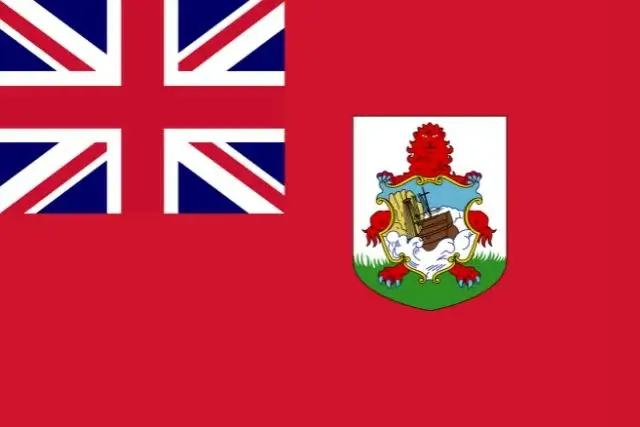
Bermuda
🏙️ Capital city:
Hamilton
📈 Country population:
64,000
🗺️ Country area:
54 km²
Core Facts / Infobox
Present this as a clean two-column table containing accurate and verified national facts. Include only fields with real data.
| Official Name | Bermuda |
| Common Name | Bermuda |
| Political Status | British Overseas Territory |
| ISO Codes | BM, BMU, 060 |
| Internet TLD | .bm |
| Calling Code | +1-441 |
| Capital City | Hamilton |
| Largest City | Hamilton |
| Coordinates | 32.30° N, 64.78° W |
| Time Zone | UTC−4 |
| Population (2025 est.) | ~64,000 |
| Area | 54 km² |
| Population Density | ~1,200 per km² |
| Languages | English (official), Bermudian English dialect |
| Currency | Bermudian Dollar (BMD), pegged 1:1 to USD |
| Driving Side | Left |
| GDP (Nominal) | ~USD 7.5 billion |
| GDP Per Capita | ~USD 110,000 (one of the world’s highest) |
| HDI | Very High (comparable to high-income nations) |
| Life Expectancy | ~82 years |
| Continent & Subregion | North America — North Atlantic Ocean |
| National Day | Bermuda Day (last Friday of May) |
| National Sport | Cricket |
| National Dish | Codfish and Potatoes |
| National Anthem | God Save the King |
Geography & Environment
- Bermuda is an archipelago of around 138 islands located in the North Atlantic Ocean, east of the United States.
- Characterized by pink-sand beaches, limestone cliffs, turquoise waters, and coral reefs.
- Climate: subtropical, mild winters and warm humid summers.
- Best time to visit: April–October.
- Major natural attractions: Horseshoe Bay, Crystal Caves, Gibbs Hill Lighthouse, Bermuda’s coral reefs.
- Biodiversity includes tropical fish, coral species, seabirds, and endemic Bermuda skinks.
- Environmental challenges: hurricanes, coastal erosion, coral bleaching, limited freshwater resources.
Demographics
- Population: ~64,000.
- Median age: ~43 years.
- Urban population: concentrated around Hamilton and St. George’s.
- Ethnic groups: African Bermudian majority, European, Portuguese, and mixed heritage communities.
- Religions: Christianity (mainly Anglican, Catholic, Methodist), small multi-faith communities.
- Major towns: Hamilton, St. George’s, Somerset Village.
History
- Discovered by Spanish explorer Juan de Bermúdez in the early 1500s.
- First settled by English colonists in 1609 after the Sea Venture shipwreck.
- Over time became a British strategic naval base and important maritime center.
- Gained internal self-government in the 20th century; remains a British Overseas Territory.
- Modern era shaped by tourism, international business, and finance.
Government & Politics
- Status: British Overseas Territory with internal self-rule.
- Head of State: King Charles III (represented by a Governor).
- Head of Government: Premier of Bermuda.
- Legislature: bicameral Parliament (Senate + House of Assembly).
- Divisions: 9 parishes and 2 municipalities (Hamilton and St. George’s).
- Political priorities: climate resilience, finance regulation, tourism expansion.
Economy
- Bermuda has one of the highest-income economies in the world.
- Major industries: international business, finance, reinsurance, tourism, real estate.
- Main exports: financial services, insurance, pharmaceuticals (limited goods exports).
- Main imports: food, fuel, machinery, consumer goods.
- Strengths: global finance hub, strong currency, high living standards.
- Weaknesses: high cost of living, resource limitations, hurricane exposure.
- GDP sectors: Services (~90%), Industry (~10%), Agriculture (<1%).
Culture & Society
- Cultural mix of British, African, Caribbean, and Portuguese influences.
- Major festivals: Bermuda Day Parade, Cup Match, Gombey Festivals.
- Traditional music: Gombey dance, reggae, calypso.
- Architecture features coral limestone roofs for rainwater harvesting.
- Languages: English with unique Bermudian dialect.
Food & Cuisine
- National dish: Codfish and Potatoes (served with bananas and local sauces).
- Popular dishes: fish chowder, Johnny bread, cassava pie, rockfish.
- Street foods: fish sandwiches, patties, fried seafood.
- Beverages: Rum Swizzle, ginger beer, Bermuda Black Seal rum.
Education & Institutions
- Medium of instruction: English.
- High literacy rate and strong education infrastructure.
- Key institutions: Bermuda College, multiple international schools.
- Popular study areas: business, tourism, finance, IT.
Tourism
- Top destinations: Horseshoe Bay, Crystal Caves, St. George’s (UNESCO), Royal Naval Dockyard.
- Natural attractions: pink-sand beaches, coral reefs, limestone landscapes.
- Adventure tourism: snorkeling, scuba diving, sailing, golfing.
- Visa: U.S., Canadian, UK, and EU travelers have simplified entry; others require visas.
- Transportation: buses, ferries, taxis, scooters.
Practical Information
- Very safe destination with low crime rates.
- Healthcare: modern hospitals and high-quality clinics.
- Emergency number: 911.
- Plug type: A/B; Voltage: 120V.
- Internet: fast and widely available.
- Best time to visit: April–October.
- Budget: mid-range to luxury; generally high cost of living.
Sports, Entertainment & Notable People
- Popular sports: cricket, sailing, football, golf.
- Notable athletes: Flora Duffy (Olympic gold medalist in triathlon), Clyde Best (football pioneer).
- Entertainment: Gombey dance, music festivals, sailing regattas.
- Notable figures: Earl Cameron (actor), Mary Prince (abolitionist author).
Neighboring Countries of Bermuda
Bermuda does not share any land borders. As an isolated archipelago in the North Atlantic Ocean, its closest maritime neighbours include the United States, particularly the coast of North Carolina to the west-northwest at approximately 1,030–1,050 km, along with Canada to the north and several Caribbean nations to the south.
Famous For
- Pink-sand beaches.
- Bermuda Triangle legends.
- Luxury tourism and resorts.
- Gombey dance culture.
- World-class sailing and water sports.
- Historic town of St. George’s (UNESCO World Heritage Site).
Sources
- World Bank
- United Nations (UN Data)
- IMF
- CIA World Factbook
- Government of Bermuda