
Random Country Generator 🌎
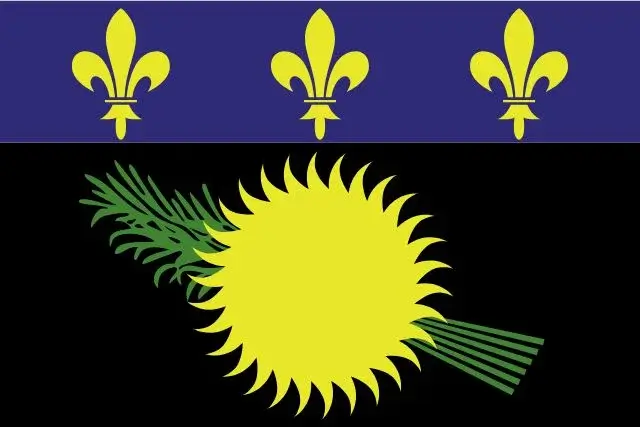
Guadeloupe
🏙️ Capital city:
Basse-Terre
📈 Country population:
395,000
🗺️ Country area:
1,628 km²
Core Facts / Infobox
Present this as a clean two-column table containing accurate and verified national facts. Include only fields with real data.
| Official Name | Guadeloupe (Overseas Department and Region of France) |
| Common Name | Guadeloupe |
| ISO Codes | GP, GLP, 312 |
| Internet TLD | .gp |
| Calling Code | +590 |
| Capital City | Basse-Terre |
| Largest City | Pointe-à-Pitre |
| Coordinates | 16.3° N, 61.5° W |
| Time Zone | UTC−4 |
| Population (2025 est.) | ~395,000 |
| Area | 1,628 km² |
| Population Density | ~243 per km² |
| Languages | French (official), Guadeloupean Creole widely spoken |
| Currency | Euro (EUR) |
| Driving Side | Right |
| GDP (Nominal) | ~USD 10 billion (approx.) |
| GDP Per Capita | ~USD 25,000 (approx.) |
| HDI | Very High (France composite index) |
| Life Expectancy | ~82 years |
| Continent & Subregion | North America — Caribbean |
| National Day | July 14 (French National Day) |
| National Sport | Football (soccer) |
| National Dish | Colombo (Creole curry) |
| National Anthem | La Marseillaise (France) |
Geography & Environment
- Located in the eastern Caribbean Sea as part of the Lesser Antilles.
- Composed of two main islands — Basse-Terre (mountainous and volcanic) and Grande-Terre (lowlands and beaches) — plus Marie-Galante, La Désirade, and Les Saintes.
- Features include rainforests, volcanoes (including active La Soufrière), coral reefs, and mangroves.
- Climate: tropical with warm temperatures and seasonal rainfall.
- Best time to visit: December–April.
- Major natural areas: Guadeloupe National Park, Cousteau Marine Reserve.
- Biodiversity includes iguanas, tropical birds, sea turtles, coral species, and endemic flora.
- Environmental challenges: hurricanes, coastal erosion, volcanic activity, coral reef decline.
Demographics
- Population ~395,000.
- Median age ~42 years.
- Ethnic groups: Afro-Caribbean majority, mixed heritage, European (French), Indian, Middle Eastern.
- Languages: French is the official language; Guadeloupean Creole is widely spoken.
- Religion: predominantly Roman Catholic, with Protestant and Afro-Caribbean spiritual traditions.
- Major cities: Pointe-à-Pitre, Basse-Terre, Les Abymes, Baie-Mahault.
History
- Originally inhabited by Arawak and Kalinago peoples.
- Claimed by France in 1635 and became an important sugar and slave colony.
- Abolition of slavery in 1848 marked a major historical turning point.
- Became an overseas department of France in 1946 and later an overseas region.
- Remains fully integrated into the French Republic and the European Union.
Government & Politics
- Status: Overseas Department and Region of France.
- Head of State: President of France.
- Local governance: Prefect of Guadeloupe and elected Regional and Departmental Councils.
- EU integration: part of the EU outermost regions; eurozone member.
- Legal system: French civil law and administrative structures.
Economy
- Economy driven by tourism, agriculture, trade, public services, and EU development funding.
- Major industries: tourism, rum production, agriculture (bananas, sugarcane), fishing, retail, services.
- Main exports: bananas, rum, sugar, flowers, seafood.
- Main imports: manufactured goods, fuel, machinery, food products.
- Strengths: EU support, tourism, diversified agriculture, modern infrastructure.
- Weaknesses: dependence on France, unemployment, vulnerability to natural disasters.
- GDP sectors: Services (~80%), Industry (~15%), Agriculture (~5%).
Culture & Society
- Culture blends African, French, Indian, and Caribbean influences.
- Traditional music genres: zouk, gwo ka, biguine.
- Festivals: Guadeloupe Carnival, Route du Rhum sailing race, All Saints’ Day traditions.
- Traditional dress features bright colors and madras fabric.
- Strong Creole cultural identity expressed through language, dance, and cuisine.
Food & Cuisine
- National dish: Colombo — a Creole-style curry.
- Iconic dishes: Bokit (fried sandwich), Accras (cod fritters), Poulet Boucané (smoked chicken), Ti’ Punch drinks.
- Seafood is central: lobster, conch, fish broths.
- Beverages: rum, fruit punches, cane juice.
Education & Institutions
- Education system follows the French national system.
- Medium of instruction: French; Creole also used informally.
- Literacy rate: above 98% (France standard).
- Top institutions: University of the French Antilles (Guadeloupe campus).
- Strong academic fields: tourism, marine studies, agriculture, French-language education.
Tourism
- Top destinations: Basse-Terre Volcano (La Soufrière), Grande Anse Beach, Les Saintes, Marie-Galante, Pointe-à-Pitre.
- UNESCO recognition: Guadeloupe National Park is part of the UNESCO biosphere reserves.
- Natural attractions: waterfalls, hot springs, coral reefs, rainforests.
- Adventure tourism: hiking, diving, sailing, canyoning.
- Visa: EU citizens travel freely; Schengen rules apply for others.
- Transportation: buses, ferries, rental cars, regional flights.
Practical Information
- Safety: generally safe; petty theft in tourist areas.
- Healthcare: high-quality French medical system.
- Emergency number: 112 / 911.
- Plug type: C/E; Voltage: 230V.
- Internet: widely available with strong coverage.
- Best time to visit: December–April.
- Budget: moderate to high due to EU pricing.
Sports, Entertainment & Notable People
- Popular sports: football, cycling, sailing, athletics.
- Notable athletes: Marie-José Pérec (Olympic track champion), Teddy Riner (judo, Guadeloupean heritage).
- Musicians: Kassav’ (zouk pioneers), Admiral T.
- Writers: Maryse Condé (renowned Caribbean author).
Neighboring Countries of Guadeloupe
Guadeloupe does not share any land borders. As an archipelago in the Lesser Antilles of the Caribbean Sea, its nearby maritime neighbours include Dominica to the south, Montserrat to the northwest, the French territory of Martinique to the south, and Antigua and Barbuda to the north.
Famous For
- Beautiful beaches and turquoise waters.
- Breathtaking volcano La Soufrière.
- Zouk music and Creole culture.
- Rum distilleries.
- Guadeloupe National Park.
- Route du Rhum transatlantic race.
Sources
- INSEE (France Statistics)
- World Bank
- United Nations (UN Data)
- CIA World Factbook
- Government of Guadeloupe